
The Weary Christian
  • Depression
    • Depression

      Latest Medical Studies on Depression

      Depression

      James Bryan Smith: Unmet expectations and fear

      Depression

      STUDY: Criticizing older adults make them more vulnerable…

      Depression

      STUDY: Awe can reduce depressive symptoms

      Depression

      STUDY: How music-mindfulness can help depression, anxiety

  • Anxiety
    • Anxiety

      Calling out the brain on catastrophizing

      Anxiety

      James Bryan Smith: Unmet expectations and fear

      Anxiety

      STUDY: Awe can reduce depressive symptoms

      Anxiety

      STUDY: How music-mindfulness can help depression, anxiety

      Anxiety

      STUDY: Chronic pain associated with higher rates of…

  • Book quotes/Video
    • Book quotes/Video

      John Mark Comer: “Wherever Jesus went, the kingdom…

      Book quotes/Video

      Ann Voskamp: “Jesus saves you for Himself”

      Book quotes/Video

      Philippe: “Refusing to suffer means refusing to live”

      Book quotes/Video

      “In darkest night, you were there like no…

      Book quotes/Video

      Thanksgiving for his brokenness

  • Health News
    • Health News

      Latest Medical Studies on Depression

      Health News

      Calling out the brain on catastrophizing

      Health News

      STUDY: Mental health conditions share deep genetic patterns

      Health News

      STUDY: Four Supplements that MIGHT help depression

      Health News

      STUDY: Gut changes raise risk of eating disorders…

  • Interviews
    • Interviews

      INTERVIEW: Dr. Terry Powell’s gripping account of depression

      Interviews

      INTERVIEW: Therapist Michael Schiferl explains religious scrupulosity and…

      Interviews

      INTERVIEW: Rocker Matt Sassano shares battles, urges transparency…

      Interviews

      INTERVIEW: Dr. Brian Briscoe tells Christians that antidepressants…

      Interviews

      INTERVIEW: Pastor Scott Sauls on anxiety, depression, and…

  • Devotionals
    • Devotionals

      Think you’re a “failure?” Jesus sees you unlike…

      Devotionals

      “Grace has got to be drunk straight”

      Devotionals

      Defeated by God

      Devotionals

      Am I a faithless Christian?

      Devotionals

      “I killed Jesus of Nazareth”

  • About
  • Depression
    • Depression

      Latest Medical Studies on Depression

      Depression

      James Bryan Smith: Unmet expectations and fear

      Depression

      STUDY: Criticizing older adults make them more vulnerable…

      Depression

      STUDY: Awe can reduce depressive symptoms

      Depression

      STUDY: How music-mindfulness can help depression, anxiety

  • Anxiety
    • Anxiety

      Calling out the brain on catastrophizing

      Anxiety

      James Bryan Smith: Unmet expectations and fear

      Anxiety

      STUDY: Awe can reduce depressive symptoms

      Anxiety

      STUDY: How music-mindfulness can help depression, anxiety

      Anxiety

      STUDY: Chronic pain associated with higher rates of…

  • Book quotes/Video
    • Book quotes/Video

      John Mark Comer: “Wherever Jesus went, the kingdom…

      Book quotes/Video

      Ann Voskamp: “Jesus saves you for Himself”

      Book quotes/Video

      Philippe: “Refusing to suffer means refusing to live”

      Book quotes/Video

      “In darkest night, you were there like no…

      Book quotes/Video

      Thanksgiving for his brokenness

  • Health News
    • Health News

      Latest Medical Studies on Depression

      Health News

      Calling out the brain on catastrophizing

      Health News

      STUDY: Mental health conditions share deep genetic patterns

      Health News

      STUDY: Four Supplements that MIGHT help depression

      Health News

      STUDY: Gut changes raise risk of eating disorders…

  • Interviews
    • Interviews

      INTERVIEW: Dr. Terry Powell’s gripping account of depression

      Interviews

      INTERVIEW: Therapist Michael Schiferl explains religious scrupulosity and…

      Interviews

      INTERVIEW: Rocker Matt Sassano shares battles, urges transparency…

      Interviews

      INTERVIEW: Dr. Brian Briscoe tells Christians that antidepressants…

      Interviews

      INTERVIEW: Pastor Scott Sauls on anxiety, depression, and…

  • Devotionals
    • Devotionals

      Think you’re a “failure?” Jesus sees you unlike…

      Devotionals

      “Grace has got to be drunk straight”

      Devotionals

      Defeated by God

      Devotionals

      Am I a faithless Christian?

      Devotionals

      “I killed Jesus of Nazareth”

  • About

The Weary Christian

THE WEARY CHRISTIAN

LIVING WITH FAITH AND DEPRESSION

  • Depression
    • Depression

      Latest Medical Studies on Depression

      Depression

      James Bryan Smith: Unmet expectations and fear

      Depression

      STUDY: Criticizing older adults make them more vulnerable…

      Depression

      STUDY: Awe can reduce depressive symptoms

      Depression

      STUDY: How music-mindfulness can help depression, anxiety

  • Anxiety
    • Anxiety

      Calling out the brain on catastrophizing

      Anxiety

      James Bryan Smith: Unmet expectations and fear

      Anxiety

      STUDY: Awe can reduce depressive symptoms

      Anxiety

      STUDY: How music-mindfulness can help depression, anxiety

      Anxiety

      STUDY: Chronic pain associated with higher rates of…

  • Book quotes/Video
    • Book quotes/Video

      John Mark Comer: “Wherever Jesus went, the kingdom…

      Book quotes/Video

      Ann Voskamp: “Jesus saves you for Himself”

      Book quotes/Video

      Philippe: “Refusing to suffer means refusing to live”

      Book quotes/Video

      “In darkest night, you were there like no…

      Book quotes/Video

      Thanksgiving for his brokenness

  • Health News
    • Health News

      Latest Medical Studies on Depression

      Health News

      Calling out the brain on catastrophizing

      Health News

      STUDY: Mental health conditions share deep genetic patterns

      Health News

      STUDY: Four Supplements that MIGHT help depression

      Health News

      STUDY: Gut changes raise risk of eating disorders…

  • Interviews
    • Interviews

      INTERVIEW: Dr. Terry Powell’s gripping account of depression

      Interviews

      INTERVIEW: Therapist Michael Schiferl explains religious scrupulosity and…

      Interviews

      INTERVIEW: Rocker Matt Sassano shares battles, urges transparency…

      Interviews

      INTERVIEW: Dr. Brian Briscoe tells Christians that antidepressants…

      Interviews

      INTERVIEW: Pastor Scott Sauls on anxiety, depression, and…

  • Devotionals
    • Devotionals

      Think you’re a “failure?” Jesus sees you unlike…

      Devotionals

      “Grace has got to be drunk straight”

      Devotionals

      Defeated by God

      Devotionals

      Am I a faithless Christian?

      Devotionals

      “I killed Jesus of Nazareth”

  • About
DepressionHealth News

Latest Medical Studies on Depression

STUDY: Mental health conditions share deep genetic patterns

James Bryan Smith: Unmet expectations and fear

STUDY: Four Supplements that MIGHT help depression

STUDY: Criticizing older adults make them more vulnerable to developing depression

Daily Blog

STUDY: Preschoolers with depression more likely to commit suicide during adolescence

STUDY: Preschoolers with depression more likely to commit suicide during adolescence

written by Christian Heinze

One of the saddest headlines you’ll ever read.

But it’s true.

A new study, published in The Journal of the Academy of Child & Adolescent Psychiatry, used 20 years worth of research to show that preschoolers (ages 3-6) were more than 6x likelier to express a desire to kill themselves and 8x likelier to actually try by 12 years old than preschoolers who didn’t show signs of depression.

That’s an enormously sad paragraph to write and even read.

Now I know that many skeptics will say, “Come on, you can’t say a preschoolers has depression!”

But you absolutely can.

We know, of course, that developing depression involves both a genetic and environmental component (among other things), and that young kids are therefore at risk.

And, in fact, when you look at how the preschoolers were earmarked for depression in the study, you can see the signs pretty easily.

Writing for Medical Xpress, Kristina Sauerwein notes these preschoolers were more likely to appear joyless, be self-critical, have trouble regulating their moods and emotions, and also – seemed to have “an advanced understanding of death.”

In case folks are still skeptical, even bran scans saw processes indicative of depression.

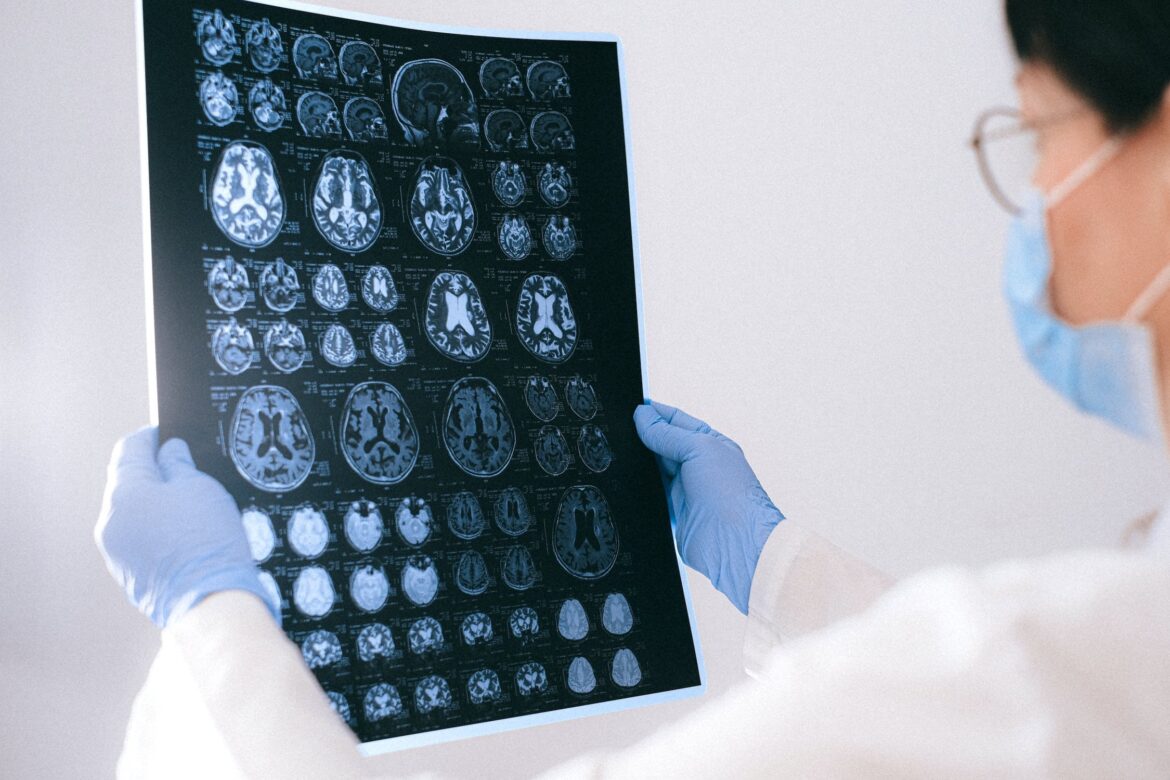
In prior studies, [Dr. Joan] Luby and [Dr. Deanna] Barch conducted brain scans on preschoolers with depression and found alterations in brain development, compared with their peers who did not suffer from depression. Their gray matter—tissue that contains brain cells and processes signals involved in seeing, hearing, memory, decision-making and emotion—is lower in volume and thinner across the cortex, potentially contributing to challenges with mood and emotion regulation.

So yes, this is a real thing. This is an unbelievably sad thing. This needs to be addressed.

Just as a personal anecdote, I absolutely felt deep depression as young as age five.

I wasn’t afraid of monsters under my bunk bed, I was afraid of death, the enormity of life itself (even the good things), so overwhelmed by the juxtaposition of the two that I didn’t know how I could last much longer than another five years.

Muse wasn’t even a band yet, but I felt so keenly, then, the words they sing in “Explorers“: “Free me, free me, free me from this world. I don’t belong here. It was a mistake, imprisoning my soul. Can you free me, free me from this world?”

Each night ended with the same refrain, a bad dream before the bad dream.

And I had wonderful parents and a good life! I was just a kid with depression. Who hid it very well.

I suspect that there are many such kids, particularly in the church, because there’s such an emphasis on behavioral control (“don’t yell, don’t throw a tantrum, don’t be angry” etc) and these behaviors are often symptoms of the emotional dysregulation that’s consistent with depression.

Recently, I came across a gathering of Christians and the kids were all “well-behaved” and yet I wondered, “which is the child, dutifully staying quiet while his elders speak, saying ‘thank you’ when he’s offered something he doesn’t like, smiling because it reflects joy, but on the inside, is actually crying and screaming because they’re sad, and because they can’t cry and scream when they feel like it at home because their parents expect adult behavior from a child who simply doesn’t have the brain development to be an adult yet?”

We simply have to let our kids express their emotions and can’t Proverbs them into being perfect, little human beings.

We have to let them be angry, “disrespectful” to us, we have to let them feel the passion God gave them, and love and hold them through it.

I once heard one of my favorite child development experts say that as long as little kids are expressing their emotions, they’re saying, “I feel safe with you. I feel safe enough to say I’m angry. I feel safe enough that I won’t be punished or in trouble for feeling a certain way.”

Emotional safeness and love go hand-in-hand (I love this article on why it’s so important to teach our kids about their feelings and let them express them).

There are spiritual implications too.

Kids need to know they can “behave badly” and still be infinitely loved. They need to see our unconditional love in order to understand God’s.

Because a lot of adult Christians can’t grasp this (including myself). We can’t grasp how God could love us, exactly as we are, and not “as we should be because we can never be as good as we should” – as Brennan Manning writes (paraphrase).

If you’re a kid who feels your parents’ approval and love is dependent on behavior, then you’ll probably be an adult Christian who has an awfully fraught relationship with your Father in heaven.

So this is absolutely crucial — especially for the church.

More generally, the United States seems to have a rather odd view of children and mental health, wherein parents either say depression etc. is real but blame screens for the condition, or that it’s not real and just a plot by pharma companies to start medicating kids who are just being kids.

Either way — they tend to deny it could have any basis in what’s the basis for any disease. We are born with mortal bodies. Ones that malfunction. Ones that need medicine and therapy and help when they’re diseased.

And one could argue that treating childhood depression is even more important than addressing adult depression, because a child’s brain is still developing and, as with anything, early treatment is more likely to be successful than waiting until even more damage has been done.

The Christian church is just now (with hesitation) getting around to make its peace with understanding depression as a disease.

But a disease kids could have?

The church isn’t even close to there.

In fact, too often Christian churches create a culture where manifestations of that depression are censured, and thus, the darkness inside goes hidden outside for a long while (in a similar way to how adult depression is hidden in churches. It’s a Christian culture thing).

So this is serious business, and seriously sad, and that headline is one of the saddest things to think of.

I just prayed right now, and I hope you pray now that God will open the minds of Christian leaders and parents, so that we all can recognize the importance of listening to our children, and recognizing that even preschoolers can be depressed, and that God has given us the great honor and responsibility of attending to their needs.

Resources:

Cognition and Emotion: “Pediatric Depression: An Evidence-based Update on Treatment Interventions.”

NHS: “Depression in children and young people.”

CDC: “Anxiety and depression in children.”

Cleveland Clinic: “Depression in children: signs, symptoms and what to do.”

Johns Hopkins: “Childhood Depression.”

Everyday Health: “7 easily missed signs your child might have depression.”

Final note – if you haven’t yet, read my interview with Dr. Terry Powell, who talks of his own childhood depression.

[Photo: Pexels, free stock photography]

March 6, 2024
0 Facebook Twitter Google + Pinterest
STUDY: Researchers point to distinct gut bacteria in social anxiety disorder

STUDY: Researchers point to distinct gut bacteria in social anxiety disorder

written by Christian Heinze

Writing for Psychology Today, Dr. William Haseltine points to one of the most important studies in awhile re: social anxiety disorder (SAD).

That research, published in the Proceedings of the National Academy of Sciences, showed that individuals afflicted with SAD have their own distinct gut microbacteria compared to individuals without the condition.

This microbiome increased sensitivity to fear and decreased stress resilience and immune function.

In other words, gut bacteria caused this group of people to be more likely to be afraid under certain circumstances, and that fear was more likely to be the kind that can mentally and physically cripple you.

That’s a huge finding.

And to further establish the link, researchers transplanted SAD-associated microbacteria from humans into one group of mice, and non-SAD-associated microbacteria from another group of humans into a different group of mice.

Guess what happened?

The mice who got the SAD-associated microbacteria…. started exhibiting all the symptoms of SAD. The others didn’t.

Which clearly proves that these mice with SAD just weren’t trusting God enough for provision and for physical healing.

Before moving on with the study…

This is why it’s so important for the church to be aware of studies like this. How many people with SAD are told that their fearfulness in certain situations is from defective faith?

“Strengthen yourself, my brother!”

That’s nice to hear (actually, it’s not), but a Christian with SAD should maybe answer, “Thanks! I will strengthen myself! In that case, can I borrow some of your fecal material w/your more diverse gut bacteria?”

Because the truth is that Alpha Strong Encourager Christian just probably has a healthier, more diverse microbiome. (When you find Christ, you don’t find a new microbiome, too).

But, back to the study — armed with this knowledge, researchers can start to look into ways to target this particular gut bacteria to hopefully better treat symptoms of SAD.

And those symptoms can be absolutely debilitating for work, friendships, relationships, every aspect of life.

So with that in mind, if you think you might have SAD…

For readers from the United States….

Find a psychiatrist here.

Find a therapist here.

For readers, internationally, please seek help from a local resource!

[Painting: Baie de Marseille, vue de l’Estaque, Cezanne. I should have posted a picture of gut bacteria, but the truth is that with my chronic stomach condition, I can’t stomach the idea of hunting for a picture of the bacteria that live in our gut, or even just a generic stock photo of the intestinal system. So you get one of my favorite Cezanne’s]

February 29, 2024
0 Facebook Twitter Google + Pinterest
Our voyage, every day, until the promised land

Our voyage, every day, until the promised land

written by Christian Heinze

If we could read and think about this beautiful entry from Valley of Vision at the start of every day…

My favorite in the whole book — a prayer that involves both our desperate and our hopeful heart.

Valley of Vision (pg 202).


O Lord of the oceans,

My little bark sails on a restless sea,

Grant that Jesus may sit at the help and steer me safely;

Suffer no adverse currents to divert my heavenward course;

Let not my faith be wrecked amid storms and shoals;

Bring me to harbour with flying pennants,

hull unbreached, cargo unspoiled.

I ask great things,

expect great things,

shall receive great things.

I venture on thee wholly, fully,

my wind, sunshine, anchor, defence.

The voyage is long, the waves high, the storms pitiless

but my helm is held steady,

thy Word secures safe passage,

thy grace wafts me onward,

my haven is guaranteed.

This day will bring me nearer home,

Grant me holy consistency in every transaction,

my peace flowing as a running tide,

my righteousness as every chasing wave.

Help me to live circumspectly,

with skill to convert every care into prayer,

Halo my path with gentleness and love,

smooth every asperity of temper;

let me not forget how easy it is to occasion grief;

may I strive to bind up every wound,

and pour oil on all troubled waters.

May the world this day be happier and better

because I live.

Let my mast before me be the Savior’s cross,

and every oncoming wave the fountain

in his side.

Help me, protect me in the moving sea

until I reach the shore of unceasing praise.

[Painting: Floundering in a gale, George Philip Reinagle]


Meanwhile…

if you’re struggling with depression (as I do!).

For readers from the United States….

Find a psychiatrist here.

Find a therapist here.

For readers, internationally, please seek help from a local resource.

February 27, 2024
0 Facebook Twitter Google + Pinterest
STUDY: Simple blood test predicts schizophrenia risk

STUDY: Simple blood test predicts schizophrenia risk

written by Christian Heinze

Researchers at the Indiana University School of Medicine have published a new study in Molecular Psychiatry that offers a pretty simple blood test to predict both the likelihood of developing schizophrenia and current severity in those afflicted with it.

What a feat.

Using ten years worth of data, the scientists found key biomarkers associated with hallucinations (PPP3CB, DLG1, ENPP2, ZEB2, and RTN4,and delusions (AUTS2, MACROD2, NR4A2, PDE4D, PDP1, and RORA).

They also found the key biological pathways, as well.

Now here’s a clutch part.

Armed with this knowledge, scientists were able to “flip the system and accurately predict schizophrenia states and future risks from blood tests.”

That’s huge.

The early stages of schizophrenia are often undetectable, yet the damage is cumulative, so the earlier the diagnosis and beginning of treatment, the better.

Now doctors will be able to use a blood test to check for these biomarkers and go from there.

It’s a remarkably important development.

And here’s where it gets even more significant.

David Nield, for Science Alert: “Some of the biomarkers highlighted by the researchers are already being targeted by drugs prescribed for other conditions, which could potentially speed up their development in relation to schizophrenia.

“Fortunately, biologically some of the existing medications work quite well if initiated early in the right patients,” says [Neuroscientist Alexander] Niculescu. “Social support is also paramount, and once that and medications are in place, psychological support and therapy can help as well.”

In other words, not only does this study offer the promise of diagnosing earlier, but it also points in the direction (already!) of what might be the most effective early treatment.

Those are two giant steps.

Now, I want to mention something.

If you want to read just how unsettling and difficult hallucinations and delusions can be, click on this piece by Hannah Owens, a mental health professional who talks about her own hallucinations and delusions.

Also, here’s a good medical journal overview on schizophrenia, a simpler guide from the Cleveland Clinic, and from WebMd, types of therapies and medication.

[Photo: Via the public domain, thanks to the NIMH, that is a map of the deficits in neural tissue in a patient with schizophrenia].

February 27, 2024
0 Facebook Twitter Google + Pinterest
Today’s valley of vision

Today’s valley of vision

written by Christian Heinze

From The Valley of Vision (pg 156):

“I have laboured too much for spiritual life, peace of conscience, progressive holiness, in my own strength.

I beg thee, show me the arm of all might.

Give me to believe that thou canst do for me more than I ask or think,

and that, though I backslide, thy love will never let me go,

but will draw me back to thee with everlasting cords;

that thou dost provide grace in the wilderness,

and canst bring me out, leaning on the arm of my Beloved.”

February 24, 2024
0 Facebook Twitter Google + Pinterest
STUDY: Cognitive behavioral therapy affects brain activity in kids (for the better!)

STUDY: Cognitive behavioral therapy affects brain activity in kids (for the better!)

written by Christian Heinze

A new study, published in the American Journal of Psychiatry, offers hopeful results for young children struggling with anxiety by confirming that cognitive behavioral therapy (CBT) positively affects certain regions of the brain, responsible for aspects of anxiety disorders.

First, researchers found a group of children who had symptoms of anxiety, as well as brain scans that confirmed over-activation in a number of brain regions associated with anxiety, including the frontal lobe, parietal lobe, and amygdala.

Next, researchers offered cognitive behavioral therapy (CBT) for 12 weeks to one group of anxious kids, nothing for another group of anxious kids, and also analyzed scans from kids without evidence of an anxiety disorder.

The results? Fantastic, for the most part.

After 12 weeks, the kids who received CBT reported symptom relief, as well as significant corresponding improvements in the frontal and parietal regions of the brain, as measured by an fMRI exam.

In fact, the improvements were so great that their brain scans in those areas looked like those of non-anxious kids.

Plus, they felt better… awesome news!

However, other regions of the brain (particularly those in the right amygdala) remained overactive and resistant to the CBT treatment.

So what to make of it?

The researchers noted that perhaps CBT for kids is only effective in treating particular regions of the brain, or that the kids just needed more than 12 weeks for the CBT to really work on regions in the amygdala.

We don’t know.

Thus, the results can’t make an exhaustive claim re: CBT for kids with anxiety, but they certainly show that CBT can be an effective tool — as measured by both symptoms and brain scans.

Which is great news.

The NIMH puts it this way:


This study provide evidence—in a large group of unmedicated youth with anxiety disorders—of altered brain circuitry underlying treatment effects of CBT. The findings could, in time, be used to enhance treatment outcomes by targeting brain circuits linked to clinical improvement. This is particularly important for the subset of children who did not significantly improve after short-term CBT.

“The next step for this research is to understand which children are most likely to respond. Are there factors we can assess before treatment begins to make the most informed decisions about who should get which treatment and when? Answering these questions would further translate our research findings into clinical practice,” said [Dr. Melissa] Brotman [Chief of the Neuroscience and Novel Therapeutics Unit in the NIMH Intramural Research Program.]’


Now…

The Christian church is coming around (slowly and in fits and starts) to some kind of peace with the concept of adults going to therapy for anxiety.

However, we have a long ways to go when it comes to kids with anxiety.

In fact, many Christian parents who’d go to therapy for themselves might worry about their child in therapy and think the fearful thought, “What if a secular therapist messes up my kid or puts ideas into their heads” etc.,

Fear, rather than a desire for healing, reigns supreme. I get that. I understand – it’s a primal concern. We’re all fiercely protective of our children. Me, too.

But if there were ever a time to treat anxiety, it’s childhood.

In fact, according to research, most adult anxiety disorders can be linked to untreated childhood anxiety.

In other words, most adult anxiety disorders don’t appear out of thin air. Their origins begin in childhood.

And untreated childhood anxiety has been linked to an increase in school dropout, adolescent and adult crime, and suicide, in addition to mental health conditions that are associated with a plethora of diseases, relationship issues etc.,

Additionally, if your child has an anxiety disorder, it’s more likely to become worse than better as they age.

In any area of life, it’s best to treat something at the beginning, right?

We shouldn’t wait to treat until cancer spreads to distant organs. We shouldn’t wait until a marriage’s impending collapse to start dealing with communication issues. The sooner you pay off a credit card, the better.

Whatever the realm, if you see a problem, it’s better to try to address it sooner rather than later.

Think about your own life. When did you start feeling that your anxiety was excessive? You probably didn’t recognize it as excessive as a kid because kids don’t understand proportion. But, thinking back, doesn’t it seem we instinctively know this thing has been dogging us in a different way from others since we were born?

So if your child is showing signs of an anxiety disorder, talk to a medical professional.

They’ll be able to help distinguish between normal childhood anxieties (separation anxieties etc) and actual disorders (which can be a very tricky thing, because kids have lots of normal anxieties that aren’t signs of disorders).

Here are a few resources.

Cleveland Clinic: Causes, symptoms, and treatments of anxiety in children.

WebMD: “Symptoms to look for.”

What does childhood anxiety look like?

How to spot signs of anxiety in children.

Children’s Hospital of Philadelphia: “When your child’s anxiety is worth worrying about — and how to help.”

[Photo: Pexels, free stock photography]

February 24, 2024
0 Facebook Twitter Google + Pinterest
Voskamp: “Thanks makes now a sanctuary”

Voskamp: “Thanks makes now a sanctuary”

written by Christian Heinze

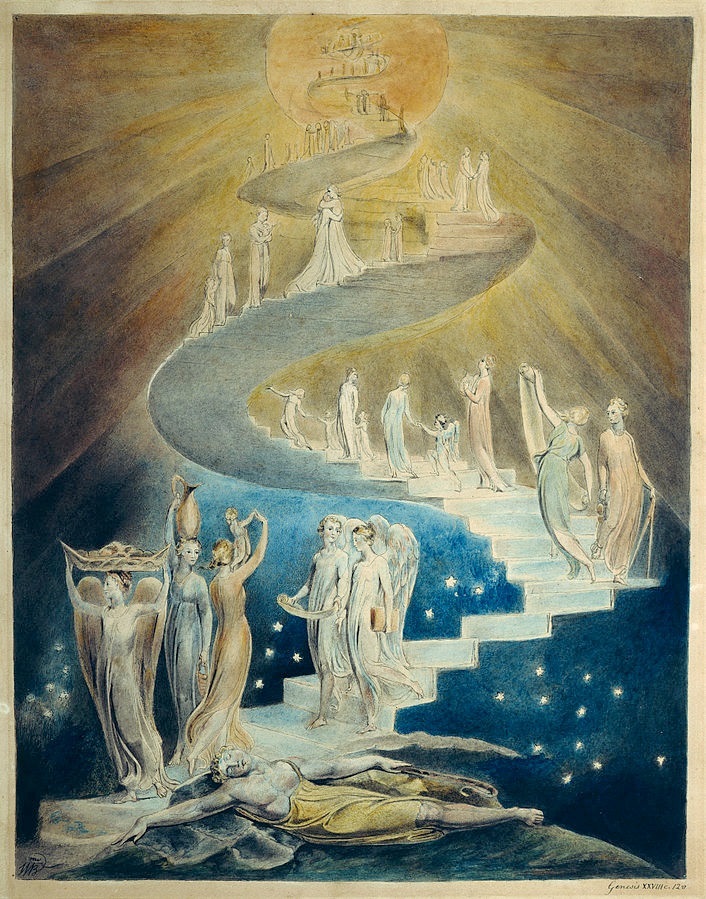
So… remember in Genesis 28:16 when Jacob awoke from his dream in which he saw the stairway to heaven and marveled, “Surely the Lord is in this place and I was not aware of it… How awesome is this place! This is none other than the house of God; this is the gate of heaven.” (NIV).

In her book One Thousand Gifts, Ann Voskamp notes of that story:

“Thanks makes now a sanctuary”

How lovely and true. Jacob was now thankful, so he built a sanctuary in the last place he expected to.

In fact…

Where was Jacob? In the desert. Not where he wanted to be.

What was he doing? Leaving the place he’d called home. Probably not what he wanted to be doing.

So Jacob was doing the thing he didn’t want to do — in the place he didn’t want to be — and he was alone.

Except he wasn’t.

He had a dream that awakened him to the magnificent spiritual reality of what was really happening around him.

And he woke up, and the sucky ground he lay on was now so sacred to him that he made a sanctuary of thanks.

And so, Voskamp notes, we could be in an awful place, doing something awful, feeling something awful, and yet be completely unaware that this is, in fact, holy ground and that the most wonderful things are happening around us.

If we could literally see Christ and hear him promise us the wonder of heaven, we would wake up the next morning and say, “Surely the Lord is in this place and I was not aware of it” and that spot would be the holiest of grounds for us the rest of our lives.

I know that’s hard to grasp — that Christ is here and here for us, but as Raneiro Cantalamessa spoke in a Good Friday sermon.

“Do we really believe that God loves us? No, we don’t really believe it, or at least not strongly enough! If we were to believe it, everything — our lives, ourselves, things, and events — absolutely everything would be transfigured before our eyes.”

Then he adds: “This very day we would be with him in paradise, for paradise is simply rejoicing in God’s love.”

I know it’s hard.

It’s hard to believe that kind of love — just as it must have been hard for Jacob to understand when he went to bed that night.

But it’s true.

So, if you could, stop what you’re doing and just do this.

Close your eyes, and think of the fact that the Lord truly “is in YOUR place” and you and I are not aware of it.

What was happening around Jacob is happening around you.

And maybe, as we think about that with our eyes shut, we can say: “Surely the Lord is in this place and I was not aware of it.”

My place right now – I have Miralax to my left (osmotic stimulant laxative), and a Boost drink to my right, and a toilet close by. That’s my physical ground right now. Could be way way worse, could be better, but what strikes me is how routine and dull it is.

But surely the Lord is in this place. He is! I have no clue what’s even happening around me. But it’s all beautiful.

And if I could see it, I’d build a sanctuary here too. So right now, I’m trying to put stones on top of each other as I write, to thank God for being here.

You’re in a different spot, and it could be much worse. Or, it could be so predictably stale.

But you probably aren’t thinking, “Surely the Lord is in this place.” But he is. Right with you. Making the same promise of blessing to you that he did to Jacob.

[Drawing: Jacob’s Ladder, Blake]

February 22, 2024
0 Facebook Twitter Google + Pinterest
Deep brain stimulation: The “Brain pacemaker” for depression

Deep brain stimulation: The “Brain pacemaker” for depression

written by Christian Heinze

Laura Ungar, from the Associated Press, has a fantastic article on one woman’s account of how an innovative experimental therapy for treating depression (“Deep Brain Stimulation”) saved her life.

Read Ungar’s article, but here’s the gist:

Deep Brain Stimulation involves brain surgery, wherein metal electrodes are put in the subcallosal cingulate cortex — the area of the brain that helps regulate emotional behavior and feelings of sadness.

Once there, it works by correcting the abnormal brain circuitry involved in depression by delivering constant low voltage pulses.

Ungar:

Doctors say the stimulation helps because electricity speaks the brain’s language. Neurons communicate using electrical and chemical signals.

In normal brains, [Dr. Brian] Kopell [of Mount Sinai’s Center for Neuromodulation] said, electrical activity reverberates unimpeded in all areas, in a sort of dance.

In depression, the dancers get stuck within the brain’s emotional circuitry. DBS seems to “unstick the circuit,” he said, allowing the brain to do what it normally would.

Keep reading for more, because there’s important stuff.

Namely, some scientists are still skeptical that DBS actually works for depression (based on some studies).

Others believe it works (Based on some studies. The seminal study of studies, published in Frontiers in Neurology, in 2022 found that results for this particular type of DBS for depression were “promising”).

However, there are barriers.

Every person has a different brain, and for this to work for depression specifically, DBS needs to target (and be placed in) the precise area where Person X has an abnormality, and the precision doesn’t just end in something as simple as “put it in the SCC.”

However, it’s doable. After all, doctors tailor every major, elective surgery precisely to a particular patient.

If you have a stomach condition and need part of your colon out, you need scans of your stomach giving precise information about the diseased location and you go from there, and it’s extremely individual and involved.

Pacemakers are a pretty big deal too.

However, nothing quite approximates the complexity, though, of the human brain, so that’s why some are skeptical this can be scaled.

But researchers are trying to do just that, and those at Abbott Laboratories are looking for FDA approval right now for DBS for treatment-resistant depression.

NOW let’s consider some facts — lest you think we’re headed into a brave new world or that this is some kind of “transhumanism,” nothing could be further from the truth.

DBS has already been approved and used for Parkinson’s disease in select cases since 1997, with a 30-60% improvement in motor score evaluations.

DBS was approved for drug-resistant epilepsy in 2018. That’s a big deal, because nearly 40% of patients with epilepsy don’t respond to drugs.

DBS was approved for select patients for OCD in 2009, thanks to a 60% response rate among those suffering with treatment-resistant OCD.

However, this is still rare procedure even among FDA approval diseases, because this is a major surgery with risks, and it’s only used in a specific subset of a population with specific treatment-resistant conditions.

Nevertheless, it’s important that scientists are paving the way towards potentially more direct, more effective ways of helping treatment-resistant depression.

And if you’ve ever had major depression that seems absolutely resistant to any kind of treatment on any level — if you’ve experienced years and years of utter hopelessness even while knowing you have the hope of Christ, if you’ve experienced the physically-damaging, emotionally-draining, relationship-destroying effects of major depression……… brain surgery might not seem so bad.

I’m worried that Christians will look at this and say, “Transhumanism!” when this is really no different in theory from a pacemaker (indeed, it’s been called a “brain pacemaker”).

Then there’s the inevitable skeptical Christian saying: “C’mon. Taking medication is crazy enough for your supposed condition. But brain surgery?!”

Well, if researchers can figure out how to do this safely and effectively for a proven medical condition like depression that is treatment resistant for particular patients and devastating their lives, why shouldn’t this be a discussion — just like surgery is for any other diseased part of our bodies?

Meanwhile…

if you’re struggling with depression (as I do!).

For readers from the United States….

Find a psychiatrist here.

Find a therapist here.

For readers, internationally, please seek help from a local resource.

If you’re having thoughts of harming yourself or others, please call the National Suicide Lifeline at 1-800-273-8255.

February 22, 2024
0 Facebook Twitter Google + Pinterest
“Tend the sick, Lord”

“Tend the sick, Lord”

written by Christian Heinze

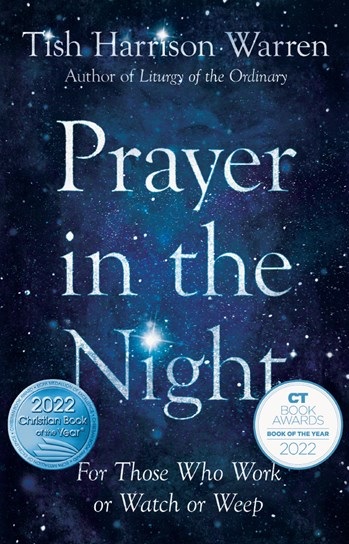
In her excellent book on The Church of England’s Compline (Night Prayer), Tish Harrison Warren writes of the phrase, “Tend the sick”:

“The origin of the verb ‘to tend’ and the adjective ‘tender’ have the same Old French root, which means literally ‘to stretch’.

We are appealing to the tenderness of God — that the Creator of the universe would stretch to reach us even amid our blood.

…. When we’re sick, we feel the waste of life in our aching bodies, the waste of the passing hours, the wasting away of our strength.

Left on our own, that is all it would be: waste.

But God lets nothing go to waste. We smell bad. We look terrible. Our very bodies have given out on us. We need tending. And we have nothing to prove, nothing to measure up to, no performance necessary. We can allow God to tend to us.

…. But when we pray for the sick we also remember the glory for which we are made. We recall that our health is a gift. It will not be constant. Any wellness we have will eventually give way.

But we receive our bodies, day by day, with gratitude.

In them, we taste the fall, that things are broken and not yet made new. The reaper pulls us over for a warning.

But our bodies will be made eternal. They will rise from the dust in fleshy solidity, their glory permanently undiminished.

So we also taste the promise of heaven in the goodness of our bodies.

In this meantime, our flesh and blood is suspended between our defeat and our rescue, between fall and resurrection…. and in this tension and suspense, we learn to groan to God in our fragility, to lift trembling hands to God when we have no words, to meet God in our sinuses and skin.

We learn to pray to the God who tends us.”

February 21, 2024
0 Facebook Twitter Google + Pinterest
STUDY: Anorexia nervosa’s dangerous effects in adolescent men

STUDY: Anorexia nervosa’s dangerous effects in adolescent men

written by Christian Heinze

Of course, the same goes for adolescent females, but there are a few reasons to highlight this particular, new study from the Canadian Medical Association Journal.

First, the danger.

Males with anorexia have a 6x higher mortality rate than the general population over the course of their lives, and their risk of developing an eating disorder is continually underestimated, despite years of research demonstrating just how significant that risk is (as far back as in 2007, males accounted for 25% of anorexia and bulimia cases and that number might be an under-representation).

And anorexia nervosa continues to be the most dangerous condition on the spectrum of mental health diseases (a staggering 10% of victims with anorexia will die from the disease within 10 years of onset, and 20% within 20 years).

Second, a lot of current popular “wellness” trends among men (particularly, the adolescents presenting in the study) are contributing to the development of anorexia in this cohort.

The trend is based on body image, and in particular, the pursuit of male muscularity.

You’ve seen the ads promising ripped ads, lower body fat, the promise of looking like The Rock etc.,

Well, the pursuit of that often leads to dangerous patterns like intermittent fasting (which is often heralded in legitimate magazines), excessive exercise, supplements, and use of anabolic steroids.

Much of this falls under the spectrum of “muscularity-oriented disordered eating behaviours,” and really, an entire lifestyle that’s continually promoted as both healthy and desirable.

It’s important to pay attention to how damaging this is, because whenever we see ultra-thin female super models, our society is primed to wonder, “eating disorder?”

But when exaggerated male physiques are presented in culture, we often think, “Wow. That dude is committed” or “He’s in the gym 24/7” or, at most suspicious, “steroids?”

We rarely think “anorexia” because during the pursuit of these physical ideals, guys often just don’t look anorexic and the idea of men with anorexia just hasn’t entered the cultural zeitgeist yet.

But guys are often employing extreme means to achieve an otherworldly bodily outcome — just like females.

And the results can be similarly devastating.

Thus, it’s important — particularly for parents who might think that their gym bro male teenagers aren’t at risk — to pay attention to just how their sons are going about achieving their ideals.

Because parents are often on the lookout for these types of behaviours in their daughters, but not their sons.

Here are some resources.

The National Institute of Mental Health on eating disorders, including signs, symptoms, risk factors, treatments and help.

A 24/7 hotline for those struggling with eating disorders or any other mental health disorder.

Six Common Types of Eating Disorders.

Signs of an Eating Disorder.

And find an eating disorder therapist near you.

February 20, 2024
0 Facebook Twitter Google + Pinterest
Load More Posts

Social Media

Twitter

Get in touch with me

Contact here. 

The Weary Christian mission:

First off:


In the United States, find a psychiatrist here.

In the United States, find a therapist here.

If you’re in the United States and having thoughts of harming yourself or others, please call the National Suicide Lifeline at 1-800-273-8255.

If you’re in the UK, get urgent help here.

Canada, here.

Australia, here.

New Zealand, here.

South Africa, here.

France, here.

Germany, here.

Portugal, here.

Mexico, here.

India, here.

The Philippines, here.

Singapore, here.

South Korea, here.


The Weary Christian goal…


a) reduce the stigma surrounding depression, anxiety, OCD, and other conditions in the Christian community.


b) have uncomfortable but honest conversations.


c) Reduce the stigma surrounding antidepressants, antipsychotics, and other meds God has given us as gifts.


And…


d) Sometimes (tons of times), we all feel really, really depressed in our journey. Hopefully, this site makes you feel less alone.

Categories


@2017 - PenciDesign. All Right Reserved. Designed and Developed by PenciDesign