The Weary Christian
  • Depression
    • Depression

      James Bryan Smith: Unmet expectations and fear

      Depression

      STUDY: Criticizing older adults make them more vulnerable…

      Depression

      STUDY: Awe can reduce depressive symptoms

      Depression

      STUDY: How music-mindfulness can help depression, anxiety

      Depression

      STUDY: Chronic pain associated with higher rates of…

  • Anxiety
    • Anxiety

      Calling out the brain on catastrophizing

      Anxiety

      James Bryan Smith: Unmet expectations and fear

      Anxiety

      STUDY: Awe can reduce depressive symptoms

      Anxiety

      STUDY: How music-mindfulness can help depression, anxiety

      Anxiety

      STUDY: Chronic pain associated with higher rates of…

  • Book quotes/Video
    • Book quotes/Video

      “In darkest night, you were there like no…

      Book quotes/Video

      Thanksgiving for his brokenness

      Book quotes/Video

      Esther Smith: “All he wants is you”

      Book quotes/Video

      James Bryan Smith: Unmet expectations and fear

      Book quotes/Video

      Staton: On being a witness

  • Health News
    • Health News

      Calling out the brain on catastrophizing

      Health News

      STUDY: Mental health conditions share deep genetic patterns

      Health News

      STUDY: Four Supplements that MIGHT help depression

      Health News

      STUDY: Gut changes raise risk of eating disorders…

      Health News

      STUDY: Criticizing older adults make them more vulnerable…

  • Interviews
    • Interviews

      INTERVIEW: Dr. Terry Powell’s gripping account of depression

      Interviews

      INTERVIEW: Therapist Michael Schiferl explains religious scrupulosity and…

      Interviews

      INTERVIEW: Rocker Matt Sassano shares battles, urges transparency…

      Interviews

      INTERVIEW: Dr. Brian Briscoe tells Christians that antidepressants…

      Interviews

      INTERVIEW: Pastor Scott Sauls on anxiety, depression, and…

  • Devotionals
    • Devotionals

      “Grace has got to be drunk straight”

      Devotionals

      Defeated by God

      Devotionals

      Am I a faithless Christian?

      Devotionals

      Think you’re a “failure?” Jesus sees you unlike…

      Devotionals

      “I killed Jesus of Nazareth”

  • About
  • Depression
    • Depression

      James Bryan Smith: Unmet expectations and fear

      Depression

      STUDY: Criticizing older adults make them more vulnerable…

      Depression

      STUDY: Awe can reduce depressive symptoms

      Depression

      STUDY: How music-mindfulness can help depression, anxiety

      Depression

      STUDY: Chronic pain associated with higher rates of…

  • Anxiety
    • Anxiety

      Calling out the brain on catastrophizing

      Anxiety

      James Bryan Smith: Unmet expectations and fear

      Anxiety

      STUDY: Awe can reduce depressive symptoms

      Anxiety

      STUDY: How music-mindfulness can help depression, anxiety

      Anxiety

      STUDY: Chronic pain associated with higher rates of…

  • Book quotes/Video
    • Book quotes/Video

      “In darkest night, you were there like no…

      Book quotes/Video

      Thanksgiving for his brokenness

      Book quotes/Video

      Esther Smith: “All he wants is you”

      Book quotes/Video

      James Bryan Smith: Unmet expectations and fear

      Book quotes/Video

      Staton: On being a witness

  • Health News
    • Health News

      Calling out the brain on catastrophizing

      Health News

      STUDY: Mental health conditions share deep genetic patterns

      Health News

      STUDY: Four Supplements that MIGHT help depression

      Health News

      STUDY: Gut changes raise risk of eating disorders…

      Health News

      STUDY: Criticizing older adults make them more vulnerable…

  • Interviews
    • Interviews

      INTERVIEW: Dr. Terry Powell’s gripping account of depression

      Interviews

      INTERVIEW: Therapist Michael Schiferl explains religious scrupulosity and…

      Interviews

      INTERVIEW: Rocker Matt Sassano shares battles, urges transparency…

      Interviews

      INTERVIEW: Dr. Brian Briscoe tells Christians that antidepressants…

      Interviews

      INTERVIEW: Pastor Scott Sauls on anxiety, depression, and…

  • Devotionals
    • Devotionals

      “Grace has got to be drunk straight”

      Devotionals

      Defeated by God

      Devotionals

      Am I a faithless Christian?

      Devotionals

      Think you’re a “failure?” Jesus sees you unlike…

      Devotionals

      “I killed Jesus of Nazareth”

  • About

The Weary Christian

THE WEARY CHRISTIAN

LIVING WITH FAITH AND DEPRESSION

  • Depression
    • Depression

      James Bryan Smith: Unmet expectations and fear

      Depression

      STUDY: Criticizing older adults make them more vulnerable…

      Depression

      STUDY: Awe can reduce depressive symptoms

      Depression

      STUDY: How music-mindfulness can help depression, anxiety

      Depression

      STUDY: Chronic pain associated with higher rates of…

  • Anxiety
    • Anxiety

      Calling out the brain on catastrophizing

      Anxiety

      James Bryan Smith: Unmet expectations and fear

      Anxiety

      STUDY: Awe can reduce depressive symptoms

      Anxiety

      STUDY: How music-mindfulness can help depression, anxiety

      Anxiety

      STUDY: Chronic pain associated with higher rates of…

  • Book quotes/Video
    • Book quotes/Video

      “In darkest night, you were there like no…

      Book quotes/Video

      Thanksgiving for his brokenness

      Book quotes/Video

      Esther Smith: “All he wants is you”

      Book quotes/Video

      James Bryan Smith: Unmet expectations and fear

      Book quotes/Video

      Staton: On being a witness

  • Health News
    • Health News

      Calling out the brain on catastrophizing

      Health News

      STUDY: Mental health conditions share deep genetic patterns

      Health News

      STUDY: Four Supplements that MIGHT help depression

      Health News

      STUDY: Gut changes raise risk of eating disorders…

      Health News

      STUDY: Criticizing older adults make them more vulnerable…

  • Interviews
    • Interviews

      INTERVIEW: Dr. Terry Powell’s gripping account of depression

      Interviews

      INTERVIEW: Therapist Michael Schiferl explains religious scrupulosity and…

      Interviews

      INTERVIEW: Rocker Matt Sassano shares battles, urges transparency…

      Interviews

      INTERVIEW: Dr. Brian Briscoe tells Christians that antidepressants…

      Interviews

      INTERVIEW: Pastor Scott Sauls on anxiety, depression, and…

  • Devotionals
    • Devotionals

      “Grace has got to be drunk straight”

      Devotionals

      Defeated by God

      Devotionals

      Am I a faithless Christian?

      Devotionals

      Think you’re a “failure?” Jesus sees you unlike…

      Devotionals

      “I killed Jesus of Nazareth”

  • About
Health News

STUDY: Mental health conditions share deep genetic patterns

James Bryan Smith: Unmet expectations and fear

STUDY: Four Supplements that MIGHT help depression

STUDY: Criticizing older adults make them more vulnerable to developing depression

Study offers great context on kids, screen time, and emotional problems

Daily Blog

Lauv talks about his OCD

Lauv talks about his OCD

written by Christian Heinze

Lauv (the “I like me better when I’m with you” singer) writes an essay for People about his struggles with depression and OCD.


“I had spent almost the entire month of January in bed, trapped by obsessive negative thoughts and the need to organize them. My anxiety was at an all-time high, perpetually making me feel like life was on the brink of imploding.

But in my head, I thought I just had to think my way out of it. In reality, I had fallen out of love with everything I used to care about, including the one thing that always brought me purpose: music.

I was living with a vague, haunting sense of disconnection from everyone else (almost as if a blanket had been placed between me and the world). But in my head, I just had to find the one fix (which, by the way, was an ever-changing, made-up idea I had created in my mind).

Distraught and exhausted, I decided to let my friends and family in. And that helped a lot. But after weeks of endlessly cycling conversations with my friends, family and team, I realized I was stuck.

The thing with OCD is that talking about your obsessions can feel really good — like really, really good — because that is the compulsion: the act of relief. But that relief only lasts for a moment. Then, it’s back to obsessing.”


Note how he talks about feeling “stuck.”

I just posted a new study, based on thousands of functional MRI’s, showing why people with depression and OCD get stuck in their negativity.

Basically, the part of their brain that says “move on” just doesn’t work as actively as it does in healthy brains.

You want to move on — every part of you knows you need to, you should, but you just can’t.

So what helped Lauv? Therapy and medication.

[Photo: Glenn Francis]

December 7, 2019
0 Facebook Twitter Google + Pinterest
When one truth makes us forget another

When one truth makes us forget another

written by Christian Heinze

Brennan Manning, in Abba’s Child:


“Has the thunder of ‘God loved the world so much’ been so muffled by the roar of religious rhetoric that we are deaf to the word that God could have tender feelings for us?”

December 6, 2019
0 Facebook Twitter Google + Pinterest
The burden of forcing cheer

The burden of forcing cheer

written by Christian Heinze

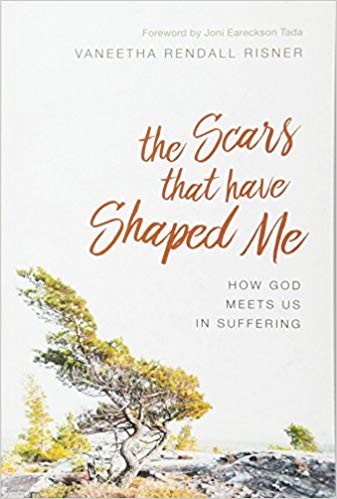
Vaneetha Rendall Risner, writing in her book, The Scars that Have Shaped Me: How God Meets us in Suffering.


“I used to respond by actively refocusing my mind, determined to have a positive attitude.

But doing so left me even emptier and unhappier than before.

Then I realized that Scripture never mandates that we constantly act upbeat.

God wants us to come to him in truth.

And so the Bible doesn’t whitewash the raw emotions of its writers as they cry out to God in anguish, fear, and frustration when life ceases to make sense.”

December 2, 2019
0 Facebook Twitter Google + Pinterest

“In my Father’s house, there’s a place for me”

written by Christian Heinze

When I’m depressed, I can’t grasp it. When I’m not, I can’t grasp it. There is always an element of doubt to the most wonderful things, because there is always some amount of disbelief to wonder. You can’t really even feel awe without doubt.

But as Jesus says to a doubting John the Baptist in Luke, “The blind see, the lame walk, those with leprosy are cured.”

And to our doubts, as he prays to the Father in John 17: “I want these whom you have given me to be where I am.”

And Jesus is in a good place.

Hillsong:


“Who am I that the highest King would welcome me?

I was lost but he brought me in — oh, his love for me.

Who the Son sets free, oh is free indeed.

I’m a child of God, yes, I am.

In my Father’s house, there’s a place for me.

I’m a child of God, yes I am.

I am chosen, not forsaken. I am who you say I am.

You are for me, not against me.”

November 24, 2019
0 Facebook Twitter Google + Pinterest
STUDY: Exercise lowers risk of depression, even if you’ve got the genes for it

STUDY: Exercise lowers risk of depression, even if you’ve got the genes for it

written by Christian Heinze

There are already loads of studies, suggesting that a) exercise has a protective benefit against developing depression b) can help reduce symptoms for those who already have it.

In other words, if you exercise and don’t have depression, you’ll be less likely to get it.

And if you have depression and exercise, it might help reduce symptoms.

But a brand new study adds an extra layer to the relationship between exercise and depression.

The study from Harvard, published in the Journal of Depression and Anxiety, found that exercise reduced the likelihood of developing depression, even among those who have genetic risk for it — including people with the most extreme, genetic risk.

In other words, even if your dad, mom, brothers, sisters, aunts, and uncles all have depression, exercise reduces the likelihood you’ll get it (Although, genetic risk, even in this study, is still is strongly associated with the development of depression).

So how much exercise, you ask?

Well, the researchers found that 35 minutes/day was protective against developing depression. If you double that amount, your risk drops another 17%.

So what type of exercise, you ask?

Well, both high-intensity (think Peloton, gladiators, dancing etc) and lower intensity exercise (think yoga and stretching) worked.

So that’s great.

As I said, it’s the first study to look at exercise’s relationship with a genetic risk of developing depression. Huge addition to the field.

Researcher Dr. Karmel Choi:

“Our findings strongly suggest that, when it comes to depression, genes are not destiny and that being physically active has the potential to neutralize the added risk of future episodes in individuals who are genetically vulnerable.”

https://www.medicalnewstoday.com/articles/327037.php#3

NOW…. I’m going to add my eternal disclaimer to studies like these.

As I said, if your mom, dad, aunts, uncles, brothers, sisters all have depression, you’re still likely to get it, too. Exercise just reduces risk.

I don’t mean to be negative about the genetic thing — only realistic.

One of the worst aspects of the well-meaning wellness field is its tendency to, I believe, set people up for disappointment by setting unrealistic expectations.

So you visit a wellness coach or a nutritionist and they regale you with studies like these and say you can be “cured,” and it’s always good to try, but when exercise or diet fail to “cure” you, it can leave you more depressed than before.

You’re tempted to think, “What’s wrong with me? The professional told me diet and exercise would work, and it doesn’t help me. I must be truly awful.”

That can send you on a further spiral because you feel you’re the exception to the wellness coach’s rule. No, actually, if it doesn’t help, you’re more the rule. You have vast company. Don’t feel terrible that it’s not working for you. It doesn’t work for a lot of people.

So take heart, if your spirit fails when this doesn’t work for you. There are millions like you and me. And by the way, Michael Phelps has struggled mightily with depression and I’d guess he exercised more than 35 minutes/day.

But still — GET OFF THE COUCH. Unless you’re watching stuff about politics. Then, I promise, your mood will improve.

[Art: Antonio Niccolini, Gladiators Fighting Animals in the Circus At Pompeii]

November 22, 2019
0 Facebook Twitter Google + Pinterest

Update – surgery

written by Christian Heinze

Hi ya’ll,

I haven’t been posting much the past few weeks, thanks to some bad wrist pain, and I go into surgery tomorrow for it. I’ll be back typing and scrolling etc, Lordwilling, in a few weeks — maybe mid-November.

Thanks for your patience!

Christian

October 22, 2019
1 Facebook Twitter Google + Pinterest
Frederick Buechner, on his “neurotic anxiety”

Frederick Buechner, on his “neurotic anxiety”

written by Christian Heinze

Author and minister, Frederick Buechner, writing in A Crazy, Holy Grace: The Healing Power of Pain and Memory:


“Neurotic anxiety happens to be my own particular demon, a floating sense of doom that has ruined many of what could have been, should have been, the happiest days of my life, and more than a few times in my life, I have been raised from such ruins, which is another way of saying that more than a few times in my life I have been raised from death – death of the spirit anyway, death of the heart – by the healing power that Jesus calls us both to heal with and to be healed by.”


[Photo: Princeton Alumni Weekly]

October 8, 2019
0 Facebook Twitter Google + Pinterest
Should you think about your anxiety as excitement?

Should you think about your anxiety as excitement?

written by Christian Heinze

Aytekin Tank has an interesting read at Fast Company.

Basically, he urges anxious folks to think of their anxiety as excitement, instead.

Anxiety, after all, and excitement share a lot of things in common: You’re tense, jumpy, your heart goes faster. Physiologically, there are just a lot of similarities.

He notes a 2014 Harvard study that found relabeling one’s anxiety as “excitement” led to better performance.

In the study, anxious participants were asked to sing “Don’t Stop Believing” by Journey.

Before singing, the researchers told some to say “I am anxious,” others to say, “I am excited,” and another group, neither.

The ones who were told to say “I am excited” performed measurably better, with improved self-confidence. Meanwhile, the ones who said they were anxious did worse.

The point is — relabeling your anxiety as excitement seems to lead to better outcomes.

I can see this. I get it. It’s happened to me, as well. Good study.

Now for my caveat, and why I am always reluctant to post these kinds of things, as interesting as they are.

This study has very little, if anything, to do with generalized anxiety disorder, which isn’t limited to an event, a time, or a situation.

If you live with the dread of an anxiety disorder, day after day — trying to relabel it “excitement” probably won’t cut it. For me, it might help for a few hours. But a whole day? A whole month? A life?

“I don’t feel an overwhelming sense of doom. It’s simply a pleasure burst of excitement.”

That’s not going to dry out sales of Lexapro.

To me, many of these sorts of tips (relabeling things, in this case) might help at the margin, they’re interesting, and you might as well try, but they also hold their dangers as well.

People who aren’t depressed or anxious are likely to read studies like this and say, “HEY BUDDY! HAVE YOU TRIED RE-LABELING YOUR FEELINGS! THERE’S A STUDY BY A HARVARD RESEARCHER!”

So in an odd way, these kinds of studies can promote more ignorance about mental health than anything.

But still, as with most of these tips, worth a try, right?

October 4, 2019
0 Facebook Twitter Google + Pinterest

NYT: Why depression, cancer are similar

written by Christian Heinze

Over at The New York Times, Dr. Jill Harper writes about the suicide of her husband.

It’s incredibly powerful, and there are a couple critical things worth remembering.

First, depression is usually chronic. It is rarely “cured,” definitively. You can think it’s gone, and then it ruthlessly comes back, worse than ever. That’s why Dr. Harper compares it to cancer. I often compare it to an autoimmune disease with their remissions and brutal flares.

Second, there’s a book called How I Stayed Alive When My Brain Was Trying to Kill Me. I’ve never read a truer description. In severe depression, your brain is trying to kill you. Sometimes it does.

Depressed people are more likely have heart attacks, strokes, develop early dementia etc., That is one way it can kill you. For others, it’s suicide:

Dr. Harper, writing in the NYT:


“When he died, my husband was still in treatment, as he had been for 20 years. After his first suicide attempt, he successfully went through intensive treatment of his disease — comparable to the radiation and chemotherapy phase of cancer treatment — and his disease went into remission. He did everything a cancer patient would have done to prevent a recurrence: He faithfully checked for the earliest signs of the disease returning, and minimized his risk factors. His psychiatrist adjusted his medications as needed and provided excellent medical care, support and counseling. But in the end, everything my husband was doing somehow couldn’t help anymore. He was still on the medication that had worked for so many years, but now it was failing.

Just as cancer may go into remission but still kill in the end, depression is a chronic disease that may ultimately prove fatal even with state-of-the-art care and resources. Not all cancers can be cured. Nor can all depressions. With the strong foundation of our love and his excellent care, my husband had almost 20 years of remission before succumbing to his disease.

I know that depression is not cancer, but both diseases can be insidious. With cancer we see uncontrolled cellular division and the spread of cancer cells throughout the body, and in depression we see the workings of neurotransmitters and how molecules affect mood. Researchers believe each is the result of genetic and environmental factors, and with my husband’s family background of mental illness and an abusive childhood, it’s not hard to see why he was sick.

Suicide is how my husband died, but depression was what killed him. His suicide was not a rational, intentional act, but a complication and fatal outcome of a very complex and difficult disease. Just as cancer invades the body, depression invades the psyche. And just as the surviving family members of patients with incurable cancers know that they were powerless to stop the progression of the disease, so are the survivors of a person with depression who dies by suicide.”


October 4, 2019
0 Facebook Twitter Google + Pinterest
Spurgeon: What makes me laugh with joy

Spurgeon: What makes me laugh with joy

written by Christian Heinze

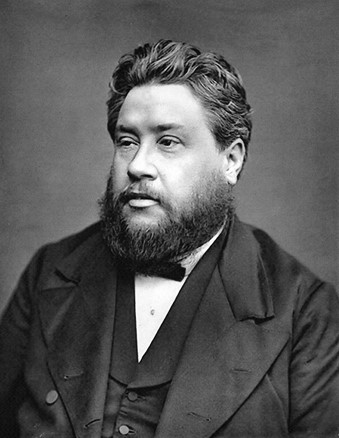
Charles Spurgeon, from his devotional, Chequebank of the Bank of Faith.


“Our weakness should be prized as making room for divine strength. We might never have known the power of grace if we had not felt the weakness of nature.

Blessed be the Lord for the thorn in the flesh, and the messenger of Satan, when they drive us to the strength of God.

This is a precious word from our Lord’s own lip. It has made the writer laugh for joy. God’s grace enough for me! I should think it is. Is not the sky enough for the bird, and the ocean enough for the fish?

The All-Sufficient is sufficient for my largest want. He who is sufficient for earth and heaven is certainly able to meet the case of one poor worm like me.

Let us, then, fall back upon our God and his grace…. it is better for us to have God’s strength than our own.”


Spurgeon, of course, was famously plagued with mental health struggles, and you can read some his quotes here.

September 26, 2019
0 Facebook Twitter Google + Pinterest
Load More Posts

Social Media

Twitter

Get in touch with me

Contact here. 

The Weary Christian mission:

First off:


In the United States, find a psychiatrist here.

In the United States, find a therapist here.

If you’re in the United States and having thoughts of harming yourself or others, please call the National Suicide Lifeline at 1-800-273-8255.

If you’re in the UK, get urgent help here.

Canada, here.

Australia, here.

New Zealand, here.

South Africa, here.

France, here.

Germany, here.

Portugal, here.

Mexico, here.

India, here.

The Philippines, here.

Singapore, here.

South Korea, here.


The Weary Christian goal…


a) reduce the stigma surrounding depression, anxiety, OCD, and other conditions in the Christian community.


b) have uncomfortable but honest conversations.


c) Reduce the stigma surrounding antidepressants, antipsychotics, and other meds God has given us as gifts.


And…


d) Sometimes (tons of times), we all feel really, really depressed in our journey. Hopefully, this site makes you feel less alone.

Categories


@2017 - PenciDesign. All Right Reserved. Designed and Developed by PenciDesign