
The Weary Christian
  • Depression
    • Depression

      James Bryan Smith: Unmet expectations and fear

      Depression

      STUDY: Criticizing older adults make them more vulnerable…

      Depression

      STUDY: Awe can reduce depressive symptoms

      Depression

      STUDY: How music-mindfulness can help depression, anxiety

      Depression

      STUDY: Chronic pain associated with higher rates of…

  • Anxiety
    • Anxiety

      Calling out the brain on catastrophizing

      Anxiety

      James Bryan Smith: Unmet expectations and fear

      Anxiety

      STUDY: Awe can reduce depressive symptoms

      Anxiety

      STUDY: How music-mindfulness can help depression, anxiety

      Anxiety

      STUDY: Chronic pain associated with higher rates of…

  • Book quotes/Video
    • Book quotes/Video

      “In darkest night, you were there like no…

      Book quotes/Video

      Thanksgiving for his brokenness

      Book quotes/Video

      Esther Smith: “All he wants is you”

      Book quotes/Video

      James Bryan Smith: Unmet expectations and fear

      Book quotes/Video

      Staton: On being a witness

  • Health News
    • Health News

      Calling out the brain on catastrophizing

      Health News

      STUDY: Mental health conditions share deep genetic patterns

      Health News

      STUDY: Four Supplements that MIGHT help depression

      Health News

      STUDY: Gut changes raise risk of eating disorders…

      Health News

      STUDY: Criticizing older adults make them more vulnerable…

  • Interviews
    • Interviews

      INTERVIEW: Dr. Terry Powell’s gripping account of depression

      Interviews

      INTERVIEW: Therapist Michael Schiferl explains religious scrupulosity and…

      Interviews

      INTERVIEW: Rocker Matt Sassano shares battles, urges transparency…

      Interviews

      INTERVIEW: Dr. Brian Briscoe tells Christians that antidepressants…

      Interviews

      INTERVIEW: Pastor Scott Sauls on anxiety, depression, and…

  • Devotionals
    • Devotionals

      “Grace has got to be drunk straight”

      Devotionals

      Defeated by God

      Devotionals

      Am I a faithless Christian?

      Devotionals

      Think you’re a “failure?” Jesus sees you unlike…

      Devotionals

      “I killed Jesus of Nazareth”

  • About
  • Depression
    • Depression

      James Bryan Smith: Unmet expectations and fear

      Depression

      STUDY: Criticizing older adults make them more vulnerable…

      Depression

      STUDY: Awe can reduce depressive symptoms

      Depression

      STUDY: How music-mindfulness can help depression, anxiety

      Depression

      STUDY: Chronic pain associated with higher rates of…

  • Anxiety
    • Anxiety

      Calling out the brain on catastrophizing

      Anxiety

      James Bryan Smith: Unmet expectations and fear

      Anxiety

      STUDY: Awe can reduce depressive symptoms

      Anxiety

      STUDY: How music-mindfulness can help depression, anxiety

      Anxiety

      STUDY: Chronic pain associated with higher rates of…

  • Book quotes/Video
    • Book quotes/Video

      “In darkest night, you were there like no…

      Book quotes/Video

      Thanksgiving for his brokenness

      Book quotes/Video

      Esther Smith: “All he wants is you”

      Book quotes/Video

      James Bryan Smith: Unmet expectations and fear

      Book quotes/Video

      Staton: On being a witness

  • Health News
    • Health News

      Calling out the brain on catastrophizing

      Health News

      STUDY: Mental health conditions share deep genetic patterns

      Health News

      STUDY: Four Supplements that MIGHT help depression

      Health News

      STUDY: Gut changes raise risk of eating disorders…

      Health News

      STUDY: Criticizing older adults make them more vulnerable…

  • Interviews
    • Interviews

      INTERVIEW: Dr. Terry Powell’s gripping account of depression

      Interviews

      INTERVIEW: Therapist Michael Schiferl explains religious scrupulosity and…

      Interviews

      INTERVIEW: Rocker Matt Sassano shares battles, urges transparency…

      Interviews

      INTERVIEW: Dr. Brian Briscoe tells Christians that antidepressants…

      Interviews

      INTERVIEW: Pastor Scott Sauls on anxiety, depression, and…

  • Devotionals
    • Devotionals

      “Grace has got to be drunk straight”

      Devotionals

      Defeated by God

      Devotionals

      Am I a faithless Christian?

      Devotionals

      Think you’re a “failure?” Jesus sees you unlike…

      Devotionals

      “I killed Jesus of Nazareth”

  • About

The Weary Christian

THE WEARY CHRISTIAN

LIVING WITH FAITH AND DEPRESSION

  • Depression
    • Depression

      James Bryan Smith: Unmet expectations and fear

      Depression

      STUDY: Criticizing older adults make them more vulnerable…

      Depression

      STUDY: Awe can reduce depressive symptoms

      Depression

      STUDY: How music-mindfulness can help depression, anxiety

      Depression

      STUDY: Chronic pain associated with higher rates of…

  • Anxiety
    • Anxiety

      Calling out the brain on catastrophizing

      Anxiety

      James Bryan Smith: Unmet expectations and fear

      Anxiety

      STUDY: Awe can reduce depressive symptoms

      Anxiety

      STUDY: How music-mindfulness can help depression, anxiety

      Anxiety

      STUDY: Chronic pain associated with higher rates of…

  • Book quotes/Video
    • Book quotes/Video

      “In darkest night, you were there like no…

      Book quotes/Video

      Thanksgiving for his brokenness

      Book quotes/Video

      Esther Smith: “All he wants is you”

      Book quotes/Video

      James Bryan Smith: Unmet expectations and fear

      Book quotes/Video

      Staton: On being a witness

  • Health News
    • Health News

      Calling out the brain on catastrophizing

      Health News

      STUDY: Mental health conditions share deep genetic patterns

      Health News

      STUDY: Four Supplements that MIGHT help depression

      Health News

      STUDY: Gut changes raise risk of eating disorders…

      Health News

      STUDY: Criticizing older adults make them more vulnerable…

  • Interviews
    • Interviews

      INTERVIEW: Dr. Terry Powell’s gripping account of depression

      Interviews

      INTERVIEW: Therapist Michael Schiferl explains religious scrupulosity and…

      Interviews

      INTERVIEW: Rocker Matt Sassano shares battles, urges transparency…

      Interviews

      INTERVIEW: Dr. Brian Briscoe tells Christians that antidepressants…

      Interviews

      INTERVIEW: Pastor Scott Sauls on anxiety, depression, and…

  • Devotionals
    • Devotionals

      “Grace has got to be drunk straight”

      Devotionals

      Defeated by God

      Devotionals

      Am I a faithless Christian?

      Devotionals

      Think you’re a “failure?” Jesus sees you unlike…

      Devotionals

      “I killed Jesus of Nazareth”

  • About
Health News

STUDY: Mental health conditions share deep genetic patterns

James Bryan Smith: Unmet expectations and fear

STUDY: Four Supplements that MIGHT help depression

STUDY: Criticizing older adults make them more vulnerable to developing depression

Study offers great context on kids, screen time, and emotional problems

Daily Blog

“Immanuel” and “Jesus”

“Immanuel” and “Jesus”

written by Christian Heinze

“She will give birth to a son and they will call him Immanuel, which means ‘God with us”.

“You are to name him Jesus, for he will save his people from their sins.” — Matthew 1

What’s the oldest question — the one that’s traveled the globe, time and culture?

“Is God there?”

Before we can worship God, we wonder. And sometimes, even while we worship, we wonder: Is God there? 

Well, God begins his revelation through Jesus Christ by answering our deepest question, and his answer isn’t long or wordy.

In fact, he answers our question simply with a name. How elegant and concise.  We answer questions in sentences and books. He does it with a name.

Immanuel. God with us.

When he unrolls the birth certificate, it’s as if he’s saying:

Let’s get your big question out of the way. Yes, I’m with you. You want proof? Look at what my Son will be called. God with you.

He knows it’s the most important question, because the other questions matter less when we know the answer to the question of whether God is with us.

There’s a little more.

Immanuel is an authoritative “yes,” but anything bluntly authoritative run the risks of sounding stern.

There is, however, a kindness and empathy at work that makes “Immanuel” much more than a “Yes, I’m here.”

God answers the question our hearts want answered. It’s not just functional, it’s not just the answer we need to hear. It’s the one we want to hear.

In short, he knows us.

He’s not just here, absent-minded or indifferent. He’s truly here. He’s truly here the way a parent is truly there because they know their child’s deepest wishes without having to poke or prod.

God’s heard our cries in the dark, and because he knows that is our deepest, most enduring question, that’s his first gift.  

God is giving his Son a name based on our longings and not his own. He knows he’s with us. Now we do too.

Now there’s one more thing about the “Is God with Us?” question.

Our question is rarely set in academic terms.

Yes, we might sometimes toss it around as an object of reserved interest, but you and I ask it, more often, from a place of doubt or despair.

Even Job and David, who knew God was there, asked if he was there.

They asked – not because they doubted God’s presence – but because they doubted his goodness. It wasn’t a crisis of faith. It was a crisis of faith in God’s goodness.

And so, when it was time for christening, God gives his Son one more name to address those doubts about God’s goodness.

“Jesus.”

And Jesus means “Deliverer,” and it makes the first name wonderful.

If the Son of God were simply named, “God with us,” who knows whether that’s a good or bad thing?

“Immanuel” itself is an answer to a question, but there’s a question mark that remains – what is Immanuel like?

Well, God clears up any lingering questions about the first name by telling us he’ll be called “Jesus.” Our deliverer.

Immanuel and Jesus. The first says God is here. The second says that God is here for us.

In a way, the names of Jesus give you all you need to know for salvation and life.

In fact, the next time you pray, try this.

Pray “Immanuel” and you’re acknowledging God’s presence in your life, and then “Jesus” to remind yourself he’s for your life in a way that no one else could ever be.

Those two names take you as far as you could imagine, because names can mean so much more than we think.

In college, I traded emails with a girl I liked from class, and while of course I read everything she wrote, I always found myself lingering on her digital signature.

She lived in the letters of her name.

I felt everything beautiful about her simply by seeing her name on a computer screen. And I knew that in the moment she signed her name, she was telling me, “This is from me to you.”

And when you’re hungry for anything from the one you love, “This is from me to you,” means the world.

Well, this is God’s “from me to you” moment.

It is his signature, and it is marked with celebration.

It is purely for us, alone, and for us, forever.

Immanuel and Jesus.

Merry Christmas!

[Photo: In the Wild North, Shishkin]

December 24, 2021
0 Facebook Twitter Google + Pinterest
It’s Christmas and Jesus once got a “no,” too

It’s Christmas and Jesus once got a “no,” too

written by Christian Heinze

Vaneetha Risner, in her oh-so-excellent book, The Scars that Have Shaped Me, notes that Jesus is familiar with this sorrow.

Writing of Jesus’ plea that his cup of suffering pass, if possible:

*****************************************************************************************************************************

“The Father said ‘no’ to the Son. And that brought about the greatest good in all of history. God is not capricious.

If he says ‘no’ to our requests, he has a reason – perhaps ten thousands.

We may never know the reasons in this life, but one day we’ll see them all.

For now, we must trust that his refusals are always his mercies to us.”

*****************************************************************************************************************************

There’s a part of me (the majority part) that, of course, hates that. I hate God’s refusals. They’re dispiriting, depressing, and we wonder how they could actually come from God.

But faith in God isn’t just about faith in God. It’s faith in his goodness.

If you’ve given up on that goodness this Christmas, he hasn’t.

On Christmas Eve, I’m going to write something truer to the night Jesus was born than the night that he suffered, but I don’t want to ignore the fact that we know the holiday period worsens symptoms for 64% of people who struggle with mental health.

And it’s often, I think, because of the disconnect between the lives and messages we see around us, and our own spirit inside.

There are so many “God, why?’ moments in life, and they often get louder as Christmas joy spreads wider.

A woman told the National Alliance of Mental Health, “The holiday season beams a spotlight on everything that is difficult about living with depression. The pressure to be joyful and social is tenfold.”

My own darkest depression hit me just before Christmas, a few decades ago.

Having said all that, Christmas is my favorite time of year. Not because of getting together with family or food or anything.

But because I can still find the childlike wonder of snowglobes that promise a magical life, if only you could shrink yourself. And so I shrink myself to the portals of my youth that disappeared long ago.

And then, I hear a carol late at night, and remember, “Immanuel,” God is with us. And one day we will be with him, and suddenly life has life again. Not bouncing for joy life. But “I’ll keep going because this moment has reminded me of what all moments will be, one day.”

And I’ll write about that later this week, on Christmas Eve.

But if you’re feeling helplessly caught in a Christmas after Christmas loop of mental battles…

Here’s a psychiatrist near you.

And a therapist.

The National Suicide Lifeline is at 1-800-273-8255.

And remember, Jesus before the cross: “This is my body, which is given for you.” He’s still here, too.

December 22, 2021
0 Facebook Twitter Google + Pinterest
STUDY: Histamine might play a role in depression

STUDY: Histamine might play a role in depression

written by Christian Heinze

Yet another study that gets at the “inflammation plays a big role in depression” hypothesis, and this time, it has to do with the release of histamine.

You already know this, but when we’re having an allergic response to anything, our immune system fights it by releasing histamine.

It’s a protective measure, and utterly vital for a properly functioning body, but sometimes it can start a chain reaction of crazy things (read here for that mechanism) that leads to allergies and other stuff under the hood that’s bad for us, as well.

It also can provoke high levels of inflammation throughout the body.

Chronic inflammation is a well-known risk factor for developing depression, and just about every other mental health disorder.

In fact, Dr. Charles Raison at Wisconsin wrote in 2018 (emphasis added): “Far from being specific to any one mental illness, or a sub-population within a mental illness, inflammation turned out to be a common denominator and likely risk factor for every manner of psychiatric disturbance, from schizophrenia to obsessive compulsive disorder, from mania to depression.”

That, for example, is just one of the reasons why researchers speculate that exercise, meditation, certain foods, and yes, antidepressants, can all help alleviate depressive symptoms — their effect on inflammation (among many other things).

(It’s important to note that, as Dr. Raison wrote in 2018, studies show that depression and other mental health challenges can’t entirely be explained by inflammation, and that we still can’t entirely explain them fully, scientifically, because they’re so enormously complex).

But…a recent study from researchers at Imperial College London and the University of South Carolina finds yet another way inflammation seems to affect depression — histamine release.

Here’s the very short version, and I would read Science Daily’s write-up for the longer, more comprehensive explanation.

Researchers used mice (of course) to test the idea that SSRI’s effect on serotonin (the neurotransmitter that helps regulate, among other things, our emotions) might be blunted by an interaction between neurotransmitters which include serotonin and histamine.

So they injected some mice with a toxin, provoking inflammation, and the control group mice got off mercifully with a placebo.

The mice who got the inflammatory toxin saw their serotonin levels immediately drop, whereas the control group’s serotonin level remained constant.

Now here’s the fascinating thing (if you haven’t stopped reading because you’re not into this type of thing).

The inflammatory injection was unable to cross the blood-brain barrier, meaning it could only affect serotonin another way.

And they found it was through histamine.

The inflammatory response triggered histamine in the brain, and that’s what seemed to lead to the reduction in serotonin levels.

I won’t bore you further, but I will.

Science Daily notes that the researchers gave the depressed, histamine flooded mice SSRI’s, but unfortunately, their levels of serotonin still didn’t rise to the level of the control group’s.

However, when the researchers gave them anti-histamines, suddenly, the inflammatory mice saw their serotonin levels rise back to the level of the control group’s.

In other words, the anti-histamines seemed to restore the feel-good neurotransmitter back to normal levels.

Now….. it’s really important to note that you shouldn’t reach for benadryl for your depression, because the anti-histamines researchers administered affected the whole body, and antihistamines for seasonal allergies only affect histamine’s effects on neurons.

Nevertheless, the potential impact is profound — both for future research and understanding depression itself.

The study authors urge more research into histamine’s role in depression, and of course, the possibility that a new drug could work on histamine in the brain to help fight depression (or at least make SSRI’s more effective).

The study’s lead author, Dr. Parastoo Hashemi, tells Science Daily:

 “Inflammation could play a huge role in depression, and there is already strong evidence that patients with both depression and severe inflammation are the ones most likely not to respond to antidepressants.

“Our work shines a spotlight on histamine as a potential key player in depression. This, and its interactions with the ‘feel-good molecule’ serotonin, may thus be a crucial new avenue in improving serotonin-based treatments for depression.”

As a site dedicated to the message — Mental health is not reflection of spiritual health — this is yet another of scores of data points, reinforcing that.

(Of course, I can already hear deniers say, “The stress from an adulterous relationship could lead to chronic stress, inflammation, and therefore depression” and of course circumstances do play a role, but I suspect that’s not what’s going on with the vast majority of the millions of Christians and nonChristians who battle these diseases.)

There are a million more likely causes for the inflammation in our bodies. Completely amoral ones.

Like, did we eat deli meat for lunch today? I think there are more people, stopping for a quick inflammatory lunch, or working insanely hard to meet a stressful noon deadline, or operating on less than 8 hours of sleep than driving off for a lunchtime rendezvous at Red Roof Inn.

And that’s not even getting into genetics and the millions (hyperbolically) of other things involved, both known and unknown, in the development and persistence of mental health disorders.

P.S. The Atlantic had a fascinating piece on the mechanistic relationship between allergies and anxiety a few years ago, as well.

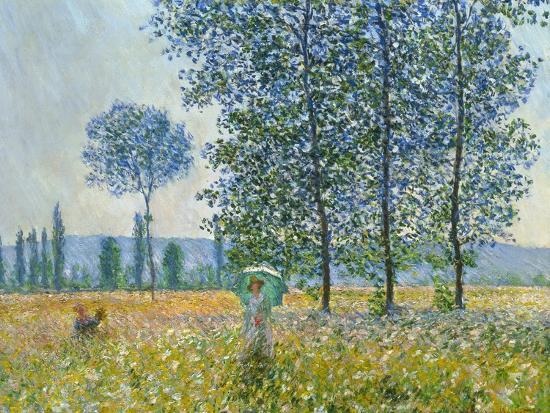
[Painting: Monet, Fields in Spring. Of course, histamine can be released by many things, but that field…..]

December 21, 2021
0 Facebook Twitter Google + Pinterest

Mullins: “Won’t you be my Prince of Peace?”

written by Christian Heinze

For depressed or anxious Christians, perhaps the most beautiful line, “You have been my King of Glory, won’t you be my Prince of Peace?”

It’s so much easier for us to believe God is a King of Glory than our Prince of Peace, isn’t it? And so that’s our prayer.

Please be our prince of peace.

Rich Mullin’s, “Hold me, Jesus”:

Well, sometimes, my life just don’t make sense at all
When the mountains look so big
And my faith just seems so small

So hold me Jesus cause I’m shaking like a leaf
You have been King of my glory
Won’t you be my Prince of Peace?

And I wake up in the night and feel the dark
It’s so hot inside my soul
I swear there must be blisters on my heart

So hold me, Jesus, cause I’m shaking like a leaf
You have been King of my glory
Won’t you be my Prince of Peace

Surrender don’t come natural to me
I’d rather fight you for something I don’t really want
Than to take what you give that I need

And I’ve beat my head against so many walls
Now I’m falling down, I’m falling on my knees

And this Salvation Army band is playing this hymn
And Your grace rings out so deep
It makes my resistance seem so thin

So hold me, Jesus, cause I’m shaking like a leaf
You have been King of my glory
Won’t you be my Prince of Peace

*****************************************************************************************************************************

If you’re feeling gloomy this holiday season, help is close.

Here’s a psychiatrist close to you.

And a therapist.

December 18, 2021
0 Facebook Twitter Google + Pinterest
NY Times: Omicron triggers anxiety, depression across world

NY Times: Omicron triggers anxiety, depression across world

written by Christian Heinze

There have been scores of articles about Covid-19’s role in triggering an increase in mental health disorders across the world.

I generally don’t post much of those for two reasons.

First, they’re everywhere, they’re daily, and you’ve probably already read them.

Second, anti-vaxxers and Covid-deniers constantly promote these studies and say, “See, all this mask stuff, all these precautions — they’re doing more harm than good because they’re triggering a mental health crisis.”

They seem to see the crisis as everything but the loss of at least 5 million lives, and I don’t want to lose focus of the loss of the most precious thing God has given to us on earth — those around us.

Yes, the collateral damage from Covid is horrible — the economic costs, the mental health crisis, the fracturing of society, the polarization that’s just a symptom of a much more perverse phenomenon of polarization on everything.

But the living are very quick to forget the dead, the dying, and the ones who will still pass away from Covid.

And when history looks back at things like the Spanish flu, what do we mourn?

Do we weep that suddenly people were told to wash their hands or wear, yes, a mask?

Or do we grieve the loss of lives?

That’s the first and foremost horror.

BUT.

The mental health effects of this disease are, indeed, absolutely astonishing, and that’s what this week’s New York Times piece, “Across the World, Covid Anxiety and Depression take hold” is so good at capturing.

It’s not just the acute nature of this disaster, it’s particularly the duration. The confusion. The curveballs.

If you’ve been affected by it, mentally, you’re not alone.

And by not alone, really not alone.

As a personal anecdote:

On Thanksgiving, my family Face-Timed a close family member, who was very healthy, caught Covid in June, and has been in out and of the hospital and close to death ever since.

His pain and suffering have been utterly enormous.

I was beyond grateful to see him, alive, on Thanksgiving, but gutted to see how he was spending that Thanksgiving.

In a rehab facility, trying to gain strength for a dangerous surgery.

Later that night, I read a story about Omicron, while I was sitting in our family room, and Judy Garland’s “Have yourself a merry little Christmas” came on, and I’ve always known that song was especially dear to troops and their loved ones, during World War 2, but for the first time, I actually felt the kind of exhaustion the world must have gone through for those six terrible years.

When will this end? All this? The unexpected deaths that are somehow still expected, wave after wave of variants, just like infantry. No break. As soon as one variant is beaten back, variant reinforcements come.

Read the words to the song, and you can see how they easily apply to the Covid crisis.

Have yourself a merry little Christmas
Let your heart be light
Next year all our troubles will be out of sight

Have yourself a merry little Christmas
Make the yule tide gay
Next year all our troubles will be miles away

Once again as in olden days
Happy golden days of yore
Faithful friends who were near to us
Will be dear to us once more

Someday soon, we all will be together
If the fates allow
Until then, we’ll have to muddle through somehow
So have yourself a merry little Christmas now

*****************************************************************************************************************************

That line, “until then, we’ll have to muddle through somehow” feels so real, doesn’t it?

Yes, we’ll just all have to muddle through this.

The church-Christianese thing would be to say “Don’t be so gloomy. Sing through this suffering because God is with you. Faith, not fear!”

But I don’t think Jesus would see Covid-19 as a particularly singing moment.

Lament is everywhere in the Bible, and we’re supposed to cry when others cry, and even if we weren’t supposed to, we couldn’t help but do it, right?

That’s how Jesus responded to pain and suffering on earth – with sorrow. That’s just the way we’re wired.

The history of the song is fascinating.

Hugh Martin wrote it for the 1944 movie Meet Me in St. Louis, and was actually a Christian. He originally wrote “if the Lord allows,” instead of “if the fates allow.”

The producers changed that line for the movie, but yes, as Christians, I think we all know everything is “if the Lord allows.”

We’re used to hearing that song every Christmas, but there’s not a version out there that captures the pathos of those lines like Judy Garland’s.

In fact, Frank Sinatra asked that some words be rewritten for his version because the original was too depressing, and Martin’s favored lines were even darker than anyone’s heard.

You know the part, “Let your heart be light/Next year all our troubles will be out of sight”?

Martin originally wrote: “It may be your last / Next year we may all be living in the past.”

So yeah, darker.

But along with my favorite carols, “Hark the Herald Angels Sing” and “O Come All Ye Faithful,” I’ll also be singing this one, or actually, listening to it late at night, trying to figure out how all this came to be, and when it might all end.

And then, of course, “Hark the Herald Angels Sing” because the spiritual peace Jesus brought then will, one day, be the land we inhabit forever.

I also like Norah Jones’ version, recorded last year, during the pandemic.

Instead of making it warm and fuzzy (as everyone besides Garland tried to do), she also gets the wistful melancholy, thank God, and it’s a moving performance. But still, yes, Garland’s will forever be the standard.

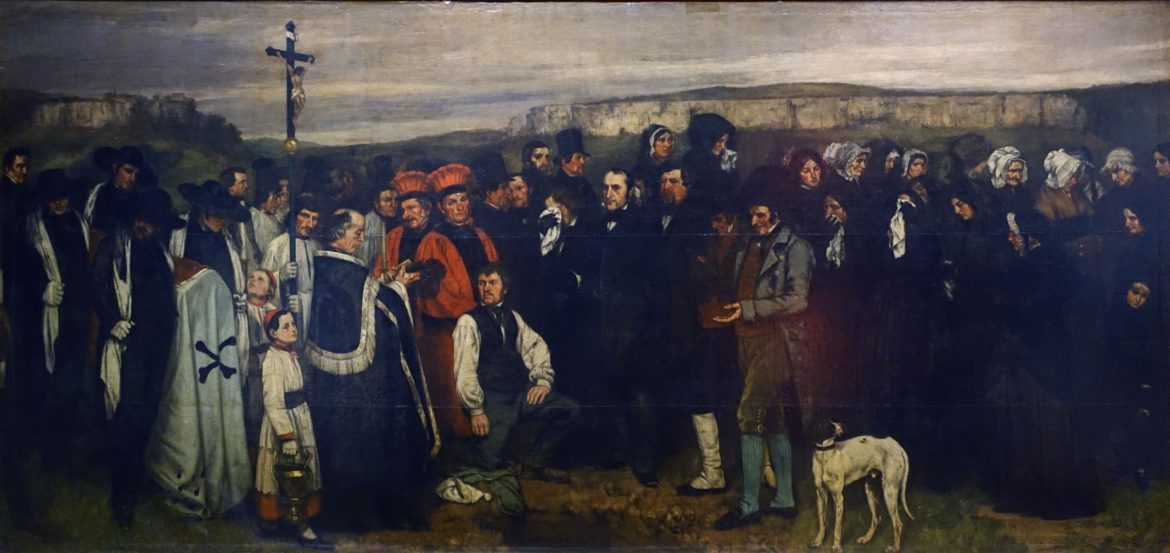
[Painting: A Burial at Ornans, Courbet]

December 18, 2021
0 Facebook Twitter Google + Pinterest
STUDY: CBT Sleep-training can help ward off depression in older adults

STUDY: CBT Sleep-training can help ward off depression in older adults

written by Christian Heinze

Research shows insomnia is a major risk factor for depression, and that depression itself can also leads to insomnia.

Not only are they correlated, but it appears either can cause the other.

And we’ve also heard all about good sleep hygeine — you know, turn off the electronics, set up a regular bedtime etc.,

But a brand new study shows that the most effective sleep training isn’t simply about education, but primarily, working with a counselor on building strong sleep habits through cognitive behavioral therapy for insomnia (CBT-I).

Scientists are particularly excited about this study, because as study author Dr. Michael Irwin (UCLA) tells CNN, “We have shown that we can actually target insomnia with cognitive behavioral therapy and prevent depression from occurring.”

In other words, it’s possible to ward off encroaching depression in elderly adults by helping them get better sleeps. (That’s particularly good news for the elderly because sleep medications can lead to struggles with balance, which can lead to falls and fractures).

But to achieve the greatest success, the study showed it was best to work with a therapist using behavioral sleep training, CBT-I.

So what is CBT-I?

Well, according to the study it involves stimulus control, sleep hygiene, relaxation, CBT, and sleep restriction.

What are each of those?

The Sleep Foundation offers these explanations.

Basically, stimulus control is about using your bedroom for just two things — sleep and sex. That way, your mind begins to think, “sleep or sex” when it enters your bedroom and both of those are good for you and for your sleep.

Sleep restriction is somewhat related. Let’s say you spend eight hours in bed, but only actually sleep 3 hours. That’s five hours of existential tossing and turning (which is really bad for depressed people, or people prone to it).

In sleep restriction, you just get up and do something else and literally only sleep once you can’t hold your eyelids up anymore. That forces the issue on using your bed, purely for sleep.

As your mind recalibrates, it will hopefully increasingly associate sleep with bed and you’ll get back (theoretically) to the intended 8 hours.

However, the Sleep Foundation notes that people with bipolar disorder and seizures should be careful about this practice.

Relaxation training involves breathing exercises (here are the 9 best ones for sleep), progressive muscle relaxation (read here about pmr for sleep), autogenic training, biofeedback, hypnosis, meditation, or some combination of those.

Then there’s the psychoeducation component, which is a person-to-person connection where you discuss all of this, and other factors like diet and nutrition.

Now, does this all work?

The Sleep Foundation notes studies showing that 70-80% of patients experience improvements in their insomnia, including pregnant women, those with PTSD, and other high risk groups.

And now, according to the new study in JAMA Psychiatry, elderly adults. And not only does it help their sleep, it can ward off depression!

Woo-hoo!

Of course, you might be wondering — why can’t I research this online and just do it myself, without all the hassle of involving a therapist?

Well, you could.

But it probably wouldn’t be as effective, because you probably wouldn’t keep at it.

Researchers noted that the study group that received sleep training, without counselor interaction, showed improvements, but they weren’t durable, because people often just gave up when they didn’t work.

The group that had counselors was much less likely to give up.

SO… how do you find one of these sleep counselors?

Here’s a map, courtesy of the Society of Behavioral Sleep Medicine, where you can click on your state and find just such a therapist.

I’m a huge fan of therapists because they’ve helped me so much.

But I’m also a huge fan of online support because it’s helped me, as well.

But online support, reading sites — they can only go so far.

And relatedly, there was a study, published this week, showing that those digital apps for depression and anxiety are helpful, but the problem is that people are much less likely to stick to them than they are going to a therapist.

Face-to-face therapy is just clutch.

But I understand not everyone can do it, for various reasons, including financial ones. So I’m also a big believer in discussion boards.

I’ve often found browsing these forums helpful.

No More Panic:

Beyond Blue:

Reddit’s Anxiety Board:

Reddit’s Depression Board:

Patient Info: (numerous boards for many health conditions)

Mental Health Forum: (Anxiety, Depression, OCD, Bipolar, Covid and Mental Health)

Anxiety Community.

Spend some time there, and you’ll come away thinking “I’m not alone in this,” and that shared sense of suffering can build deep bonds.

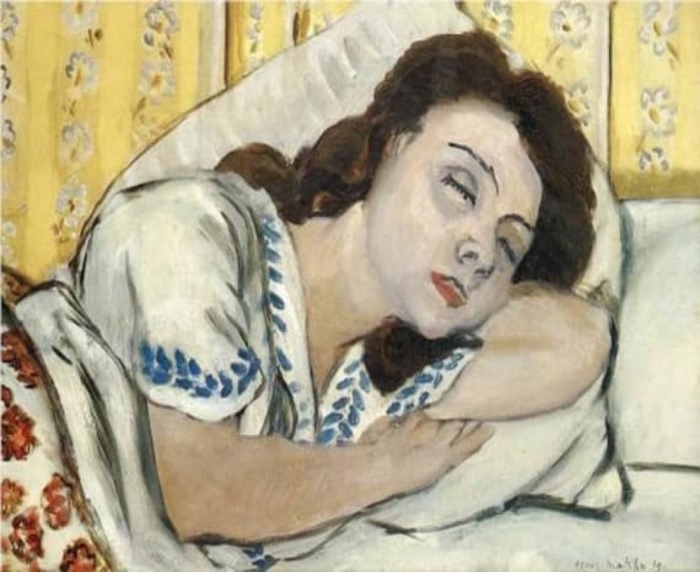
[Painting. Portrait of a Sleeping Marguerite, Matisse (1920)].

By the way, HuffPost has an interesting piece on why artists have historically been so keen on capturing sleep in their work.

Yale Professor Meir Kryger explains that, among other things, “When one goes to sleep, one falls alone, and when one enters dreamland, one walks by one’s self. Here lies the appeal for artists.” That’s as good as anyone can say it.

December 15, 2021
0 Facebook Twitter Google + Pinterest
Nouwen: What trust is

Nouwen: What trust is

written by Christian Heinze

“The deep inner conviction that The Father wants me home.”

So writes Henri Nouwen in Return of the Prodigal Son.

From this passage:

****************************************************************************************************************************

“Without trust, I cannot let myself be found. Trust is that deep inner conviction that the Father wants me home.

As long as I doubt that I am worth finding and put myself down as less loved than my younger brothers and sisters, I cannot be found.

I have to keep saying to myself, ‘God is looking for you. He will go anywhere to find you. He loves you, he wants you home, he cannot rest unless he has you with him.’

There is a very strong, dark voice in me that says the opposite: ‘God isn’t really interested in me.’           

…..By telling myself that I am not important enough to be found, I amplify my self-complaint until I have become totally deaf to the voice calling for me.

At some point, I must totally disown my self-rejecting voice and claim the truth that God does indeed want to embrace me.”

*****************************************************************************************************************************

December 7, 2021
0 Facebook Twitter Google + Pinterest
STUDY: People with social anxiety disorder are happier being with others

STUDY: People with social anxiety disorder are happier being with others

written by Christian Heinze

Social Anxiety Disorder (SAD) is “an intense, persistent fear of being watched and judged by others,” and according to the National Institutes of Mental Health affects approximately 7% of the population.

Naturally, the more severe the SAD, the more debilitating it is.

If you feel intense fear of being watched and judged by others, you’re going to avoid those situations, which means you’ll be spending a lot of time alone.

But if you know someone with SAD, you probably know how deeply conflicted many with SAD are, because they often want to be with others.

Introversion doesn’t keep them home.

Fear does.

And as you isolate, it can have debilitating effects and raise your risk for developing other mood disorders and health problems.

Now a new study in the Journal of Anxiety Disorders confirms what you’ve probably found, anecdotally, to be true — most people with SAD are happier when they’re around people than when they’re alone.

You can read the study details here, but Mark Travers has a good breakdown here.

And the gist is this.

Researchers followed individuals with SAD and a placebo group over a two week period, and folks with SAD reported they were happier when they were with others than when they were alone (so did the placebo group).

In other words, the study suggests that people with social anxiety disorder are actually happier when they’re in social situations than when alone.

Now I can already guess your next question.

How did they define “social situation?”

Well, that’s the important part.

People with SAD reported the most happiness when they were with romantic partners and close friends than when they were with coworkers, neighbors, or superiors. Or alone.

In other words, social situations where they’d be less likely to fear judgment and more likely to feel accepted.

So that part isn’t a surprise.

But it’s important to remember that, as the authors concluded, “even those with a mental illness defined by interpersonal distress can and do derive positive emotions from social interactions.”

And this is the most important finding:

“Feeling anxious or concerned about socializing does not preclude experiencing pleasure while socializing.”

As an introvert, I kind of loathe when extroverts push, “Go out tonight! You’ll enjoy it!” There’s a good chance I will because I like being with people, but an even better chance I’ll enjoy time with a book, somewhere deserted and lonely but the good kind of lonely.

So I worry extroverts will use this study, irresponsibly, to bash introverts over the head. But this isn’t about introversion.

In reality, it’s a hopeful reminder to those with social anxiety disorder to a) recognize that they can experience greater happiness in social situations than they think and b) therefore, get help.

Presumably, with help, they’d fear those situations less, participate in them more, and be happier for it.

And speaking of help, here are some tips for living with social anxiety disorder.

Also…

Here’s a psychiatrist near you.

And a therapist.

[Photo: Midnight in Paris]

December 7, 2021
0 Facebook Twitter Google + Pinterest
Some things you know (but others don’t) about your depression

Some things you know (but others don’t) about your depression

written by Christian Heinze

If you have depression, everything Parmita Uniyal writes about in this piece will ring true.

It’s about how well we hide our depression, and actually live, even though we just want to sleep.

And also, about how we make plans and cancel them at the last minute 🙁

I’m glad she included that one, because we usually don’t read about that symptom and throughout my life, it’s been a source of deep frustration and shame.

Frustration, because at one point, you really, really wanted to do that thing, and shame because canceling at the last minute lets other people down.

But we DO have to cancel to protect ourselves, because better to cancel the event than cancel ourselves, and that’s what severely depressed people are at risk of.

Over time, I’ve learned to be much more careful about committing to things, and have also learned to give myself more grace for canceling on the things I’ve committed to.

“Well, aren’t you selfish,” we can hear Alpha Optimist Do-Everything say.

And we wonder: are we?

No, the best thing we can do for everyone around us is be mentally healthy. Not set up chairs at that event.

Cancelling isn’t selfish, even though others might shame you.

It protects you, and in doing so, loves your loved ones, because they want to live with a healthier you.

They might not understand how it’s impossible for you to make it tonight their way, but you have to make it tonight your way.

You’re the one with major depressive disorder.

Of course, this isn’t an invitation to isolate.

It’s a reminder to protect, and talking with our therapists is an excellent way for us to discern which is which.

And that’s absolutely crucial, because isolation can be either damaging or protective and we need professional help with figuring that out.

But anyway, give Uniyal’s piece a read.

Oh, and of course, here’s my pitch.

Here’s a psychiatrist near you.

And a therapist.

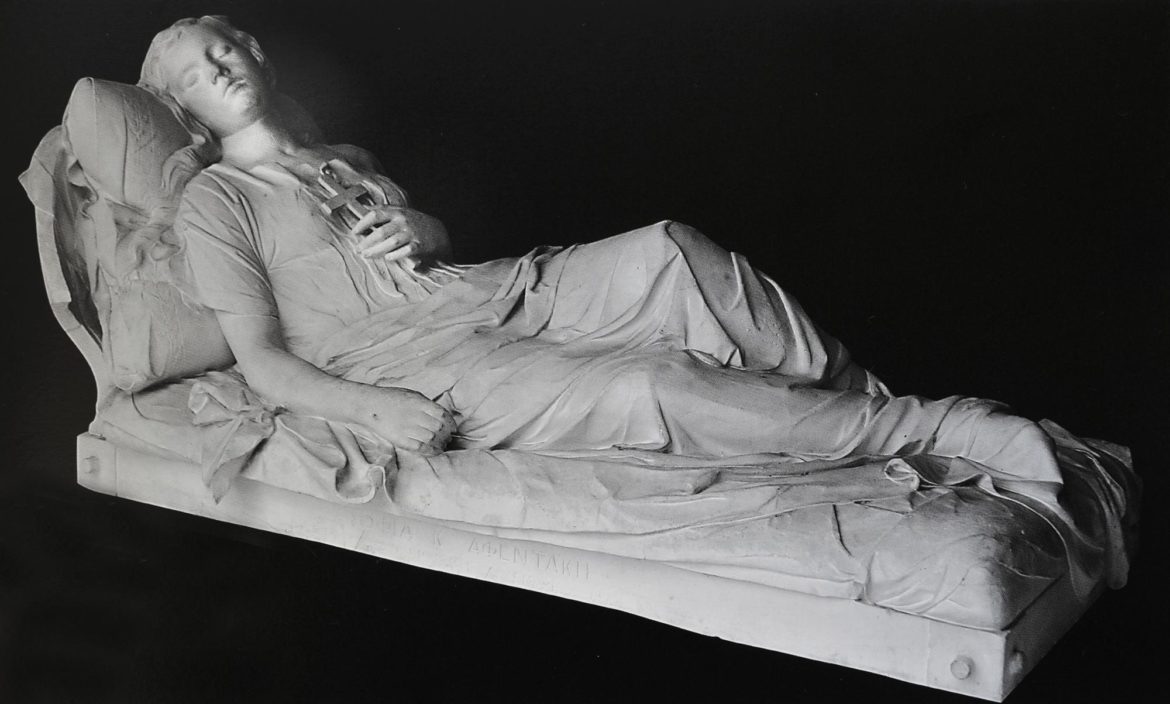
[Sculpture: Yannoulis Chalepas, Sleeping Female Figure.

Chalepas struggled with mental health, tried committing suicide, destroyed some of his own work, and was eventually committed to a sanitorium. His mother believed sculpting made it worse, and after being released from the mental hospital, he stopped sculpting until her death. After which, he resumed. And thank God for that, because he was a master. You can read more about his life here].

December 6, 2021
0 Facebook Twitter Google + Pinterest
Buechner: “Live out your pain”

Buechner: “Live out your pain”

written by Christian Heinze

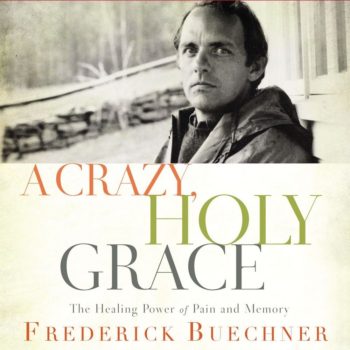
In A Crazy, Holy, Grace, Frederick Buechner writes:

*****************************************************************************************************************************

Pain is treasure. Pain is horror. Pain is that which tempts you like Christ on the cross to say, “My God, my God, why did you abandon me?’

Pain is negation of everything that seems precious.

But pain also is treasure.

And it seems to me so significant that we can come together in places where there is a sense of safety.

And, as we come together and try to give each other the most precious thing we have to give because in some sense or another we love each other, what we give each other again and again is our pain.

The most precious thing I have to tell you about is the sadness. You don’t have to talk about pain, but you have to live out your pain. Speak out of your depths.”

*****************************************************************************************************************************

If talking about your pain with others is too raw and daunting, I particularly like Buechner’s suggestion that if we choose to stay quiet about our pain, we still “have to live out your pain.”

And by that, he means that when we look at the world, when we engage with others, we always do it, remembering our own pain.

At first, that sounds like self-pity, but actually, if we remember our pain, we are more likely to remember that everyone has their own pain, and as T.S. Eliot wrote of suffering in the Cocktail Party, “All cases are unique, and very similar to others.”

And so whatever pain I feel, my neighbor has.

Whoever I feel has “wronged me,’ they have been wronged too.

And when I grasp that, I will be much more tender, forgiving, and understanding. In short, more like a Christian.

Pain, without Christ’s mercy, will often turn to hatred. But through Christ’s mercy, pain will turn to tenderness. The exact opposite of hatred.

So when we look at the hatred of others through the prism of our pain, then we will be tender.

In The Power and The Glory, Graham Greene said something to the effect of, “Hatred is a failure of the imagination.”

Yes. And it doesn’t take much imagination to realize, “Oh, that hateful person is going through deep pain.” Because every human has gone through it.

And if we saw the pain in others, both from their circumstances and their own genetic makeup, then we’d fall to our knees and beg God’s forgiveness for judging them so harshly, for treating them as anyone other than someone made in God’s image, who Jesus loves.

December 2, 2021
0 Facebook Twitter Google + Pinterest
Load More Posts

Social Media

Twitter

Get in touch with me

Contact here. 

The Weary Christian mission:

First off:


In the United States, find a psychiatrist here.

In the United States, find a therapist here.

If you’re in the United States and having thoughts of harming yourself or others, please call the National Suicide Lifeline at 1-800-273-8255.

If you’re in the UK, get urgent help here.

Canada, here.

Australia, here.

New Zealand, here.

South Africa, here.

France, here.

Germany, here.

Portugal, here.

Mexico, here.

India, here.

The Philippines, here.

Singapore, here.

South Korea, here.


The Weary Christian goal…


a) reduce the stigma surrounding depression, anxiety, OCD, and other conditions in the Christian community.


b) have uncomfortable but honest conversations.


c) Reduce the stigma surrounding antidepressants, antipsychotics, and other meds God has given us as gifts.


And…


d) Sometimes (tons of times), we all feel really, really depressed in our journey. Hopefully, this site makes you feel less alone.

Categories


@2017 - PenciDesign. All Right Reserved. Designed and Developed by PenciDesign