A giant and super helpful study from the UK has looked at “hundreds of clinical trials” of 64 supplements to look at which ones may actually help with symptoms of depression.
Kaitlin Sullivan at Health has a fantastic read on it here, but here’s a bit of key info.
First, the researchers noted that some studies are more rigorous than others and some supplements have been studied more than others.
Thus, these results aren’t conclusive, but the best review we’ve got so far.
So after the giant review, the researchers highlighted four supplements that a) have been studied most extensively and b) actually seem to statistically significantly alleviate some symptoms of depression.
Here they are, along with links to their Healthline pages.
Vitamin D (seems the benefits are mainly confined to people with existing deficiencies in the vitamin).
Probiotics (a “low risk place to start” the hunt, according to Dr. Gallagher at NYU School of medicine, but certainly makes sense considering the gut-brain axis that’s frequently studied and that you’ll read a lot about on this site).
St. John’s Wort (quite a few trials showed it performed better than a placebo in treating depression, and might be as effective as some antidepressants, but please read Healthline’s warning about potential side effects).
Saffron (limited but promising studies).
So there you have it.
Of the 64 supplements that make the big claims, those are the ones that seem to stand out. Other supplements that might help, but really have far too small a sample size to draw any sort of conclusion were folic acid, zinc, lavender, tryptohan, rhodiola, and lemon balm.
But remember, it’s impossible draw any type of conclusion regarding those, and always talk to your doc about potential side effects and interactions.
Now, this is a really cool study because social media and the wellness industry and the big pharma haters sell so many supplements claiming this spice or that herb or that XZY magic combo of spices and herbs will help with depression (and almost every other ailment).
And yet, so many who take those supplements still struggle. Then they wonder why, and it can feel even more depressing and hopeless.
Well, this might help narrow things down a little.
So what’s the unifying thread tying these supplements together?
The researchers note that those four primary supplements seem to affect inflammation, dopamine (see effect on depression here), and serotonin. In other words, things a lot of a antidepressants also seem to affect to achieve their relative success.
Now, it’s incredibly important to talk with your doctor before starting any supplement, but this is a helpful guide to help separate supplements that may be “get rich” money grabs vs. things that can truly help.
I say “get rich” money grabs, because, contrary to claims that it’s only Big Pharma that’s trying to get rich off folks’ sickness, the “natural, supplemental wellness” industry is incredibly profitable and a lot of people have gotten very rich off the skepticism over big pharma.
The researchers note that the supplements industry is $152 billion, mostly unregulated, and kind of a free-for-all, where, unfortunately, both the quality and effectiveness of supplements is rarely measured, is only promoted by influencers, and well, there are some devious actors who like to cash in on natural distrust of pharmaceutical interventions.
The old phrase for the latter is called “snake’s oil salesman,” and I’ve seen quite a bit of this in the field.
That’s not to say supplements can’t be effective, and I really think they are for some. If so, praise the Lord!
And with many supplements (for example Vitamin D), the benefits extend far beyond depression, so if it doesn’t work for that, it can help with a lot of things.
If you’re interested, here’s a site (Consumer Lab) that is a cheap sub, and has been hugely helpful for me for my other medical conditions. It looks at loads of empirical scientific data on supplements etc., then actually tests the supplement from a particular brand and says whether it’s full of lead or other toxic things, and whether it actually is the thing it claims to be.
Does the same for various foods.
For example, a lot of “extra virgin olive oil” isn’t extra virgin at all. A lot of multivitamins don’t have the percentage they claim. And a lot of these supplements for various ailments have very limited support in empirical research. I don’t do affiliate links, so yeah, I’m really speaking honestly about Consumer Lab and how useful it is with no ulterior motive.
Now to pure, personal anecdote (and your experience might be totally different!).
Personally, nothing worked for me until I got the right prescription medicine from, yes, big pharma, and I’m grateful beyond belief for the Lord’s mercy in that.
Of course, I still experience episodes of deep, deep depression, and now my depression is different from before the medication, and here’s why.
I view depression as something like an autoimmune disease where it can flare dramatically and intensely, but many medications can make those flares less common, and while in the pre-medication days, my mood could turn to very deep lows, with no warning, instantly and frequently, now there’s at least a rhyme and reason (usually) to when things bring me to the gutter.
And that makes sense.
Antidepressants (indeed, these supplements themselves) seem to work by affecting inflammation, and possibly serotonin and dopamine, and each of those levels can change. Clinical depression isn’t a static medical condition. But as with any other disease, medication can help ease symptoms.
And again, a lot of medication requires trial and effort.
I tried five and was ready to give up, because my depression seemed treatment resistant, but then I gave it one more shot with a particular Rx, and everyone around me noticed a change about 1 month after I started taking the medication.
Supplements hadn’t helped, diet hadn’t, all those kinds of things.
All of this to say — I do think supplements can help, but I think it’s a mistake to skip a doctor and distrust Rx’s instinctively.
And regarding the wellness industry — I’ve always been skeptical of entirely trusting the movement because of the giant profit margins, the promises that a certain supplement is basically a $120/month Tree of Life that will help every ease every symptom of every condition, the limited empirical support behind the supplements, unregulated conditions, and testimony from a lot of folks who said supplements simply didn’t work for their depression.
Sometimes they do help, sometimes they don’t. Just like medication. And both pharma companies and the ones who trash them to sell their own stuff are making a lot of money from what they do.
But I’ve seen victims of this disease jump from supplement to supplement, spending thousands, trying to find relief because of giant promises from the wellness industry — only to end in disappointment.
That’s why this study is so important.
It can help narrow the field of things.
And I may get redundant here, but the Christian space particularly seems prone to wander into the natural wellness movement, and I’m often sad to see the growing neglect of empirical research into what actually helps and doesn’t.
That being said, I love hearing stories of anything that’s helped. That’s the key. The Lord has so many instruments and agents of healing mercy, and just as one pastor or song or verse can touch you in a unique way, so might some healing agent the Lord has provided.
If you struggle with depression, anxiety, or any other such disorders — for readers in the United States…
Find a psychiatrist here.
Find a therapist here.
For readers, internationally, seek help from a local resource.
For salvation, Christ and Christ alone.
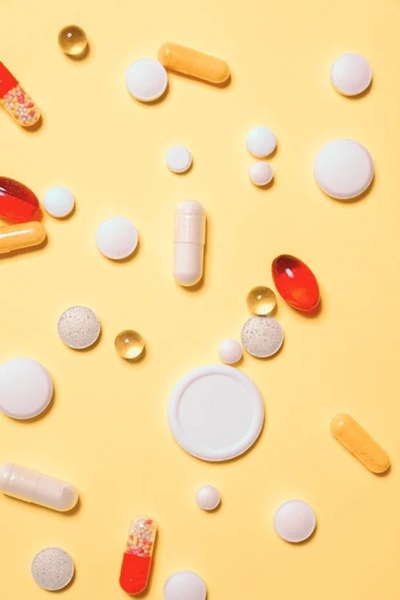
[Photo: Pexels, free stock photography, Anna Shvets].
